

Antique jewelry holds a unique charm and allure that captivates collectors and enthusiasts alike. Understanding the value of your antique pieces is crucial, whether you are looking to sell, trade, or simply appreciate their historical significance. The value of antique jewelry is determined by various factors, including age, craftsmanship, materials used, and provenance.
Each piece tells a story, and its history can significantly impact its worth. For instance, jewelry from renowned designers or specific historical periods often commands higher prices due to their rarity and desirability.
Pieces that have been well-preserved or restored can fetch a premium compared to those that show signs of wear and tear. Additionally, the market demand for certain styles or periods can fluctuate, affecting the overall value. Therefore, it is essential to conduct thorough research and possibly consult with experts to gain a comprehensive understanding of what your antique jewelry is worth.
This knowledge not only empowers you as a seller but also enhances your appreciation for these timeless treasures.
Key Takeaways
- Understand the historical and sentimental value of your antique jewelry before selling
- Research the current market trends and prices for similar antique jewelry pieces
- Identify the best selling platform for your antique jewelry, such as online marketplaces or antique jewelry shops
- Prepare your antique jewelry for sale by cleaning, repairing, and obtaining appraisals if necessary
- Set the right price for your antique jewelry based on its condition, rarity, and market demand
Researching the Market
Once you have a grasp on the value of your antique jewelry, the next step is to research the market. Understanding current trends and buyer preferences can significantly influence your selling strategy. Start by exploring online platforms, auction houses, and antique shops to see what similar pieces are being sold for.
Websites dedicated to antique jewelry sales often provide valuable insights into pricing trends and popular styles. Pay attention to the types of materials, designs, and eras that are currently in demand. Additionally, consider joining online forums or social media groups focused on antique jewelry.
Engaging with fellow collectors and sellers can provide you with firsthand information about market dynamics and potential buyers. Networking within these communities can also lead to opportunities for selling your pieces directly to interested parties. By staying informed about market trends and buyer preferences, you can position yourself strategically when it comes time to sell your antique jewelry.
Identifying the Best Selling Platform
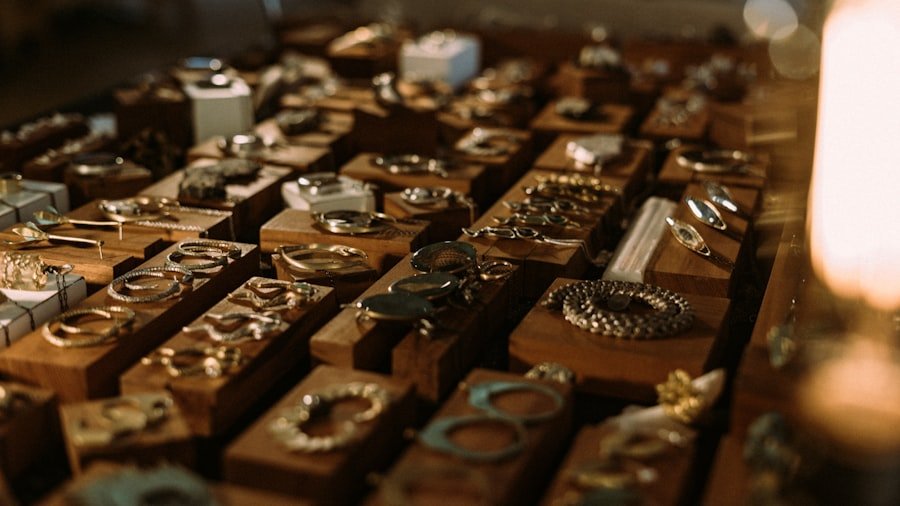
Choosing the right platform to sell your antique jewelry is crucial for maximizing your return. There are several options available, each with its own advantages and disadvantages. Online marketplaces such as eBay, Etsy, and specialized antique jewelry websites offer a broad audience reach but may require you to navigate listing fees and competition from other sellers.
Consider your target audience when selecting a selling platform. If your antique jewelry has a specific niche appeal, such as Victorian or Art Deco styles, look for platforms that cater specifically to those collectors. Additionally, attending antique fairs or trade shows can provide an excellent opportunity to showcase your pieces in person and connect with potential buyers directly.
Ultimately, the best selling platform will depend on your goals, the nature of your jewelry, and your willingness to engage with different selling methods.
Preparing Your Antique Jewelry for Sale
| Steps | Details |
|---|---|
| Research | Learn about the history and value of your antique jewelry. |
| Cleaning | Use a soft cloth and mild soap to gently clean the jewelry. |
| Appraisal | Get a professional appraisal to determine the market value. |
| Documentation | Keep all relevant documents and certificates for the jewelry. |
| Photography | Take clear and detailed photos of the jewelry from different angles. |
| Listing | Create an accurate and appealing listing for the jewelry. |
Before listing your antique jewelry for sale, it is essential to prepare it properly to attract potential buyers. Start by cleaning your pieces gently to enhance their appearance without causing damage. Use a soft cloth and mild cleaning solution specifically designed for jewelry to remove dirt and tarnish.
Avoid harsh chemicals that could harm delicate materials or finishes. If necessary, consider consulting a professional jeweler for restoration or cleaning services to ensure your pieces are in optimal condition. In addition to physical preparation, documenting the details of each piece is vital.
Take high-quality photographs from multiple angles to showcase the craftsmanship and unique features of your jewelry. Include close-ups of any markings or signatures that may indicate authenticity or designer origin. Providing detailed descriptions that highlight the history, materials, and any notable characteristics will help potential buyers appreciate the value of your pieces.
A well-prepared listing not only attracts more interest but also instills confidence in buyers regarding the quality of what you are offering.
Setting the Right Price
Setting the right price for your antique jewelry is a delicate balance between attracting buyers and ensuring you receive fair compensation for your items. Begin by considering the research you conducted earlier regarding market trends and comparable sales. Take into account factors such as age, condition, rarity, and demand when determining your asking price.
It may be helpful to establish a price range rather than a fixed amount, allowing for negotiation while still ensuring you achieve a satisfactory sale. Additionally, consider any associated costs that may impact your final price. If you are using an online platform that charges listing fees or commissions on sales, factor these expenses into your pricing strategy.
Being transparent about your pricing rationale can also build trust with potential buyers. If you have documentation or appraisals supporting your price point, be sure to share this information as it adds credibility to your listing.
Marketing Your Antique Jewelry
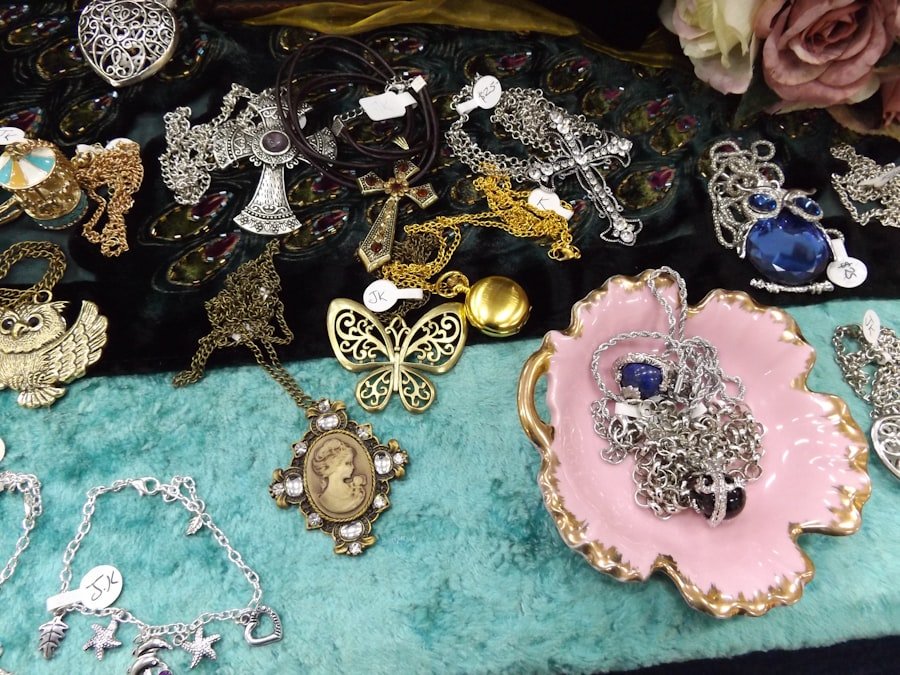
Effective marketing is essential for attracting potential buyers to your antique jewelry. Utilize social media platforms such as Instagram and Facebook to showcase your pieces visually. Create engaging posts that tell the story behind each item, highlighting its unique features and historical significance.
Use relevant hashtags to reach a broader audience interested in antique jewelry or vintage collectibles. In addition to social media marketing, consider creating an online presence through a dedicated website or blog where you can share insights about antique jewelry trends, care tips, and stories behind specific pieces in your collection. This not only positions you as an expert in the field but also helps build a community of like-minded individuals who may be interested in purchasing from you in the future.
Collaborating with influencers or bloggers in the antique jewelry niche can also expand your reach and attract potential buyers who may not have discovered your pieces otherwise.
Negotiating and Closing the Sale
Negotiation is often an integral part of selling antique jewelry, and being prepared for this process can lead to successful transactions. When engaging with potential buyers, be open to discussions about pricing while remaining firm on what you believe is fair based on your research and valuation. Listen carefully to their concerns or objections; understanding their perspective can help you find common ground that satisfies both parties.
Once you reach an agreement on price, ensure that all terms of the sale are clearly communicated and documented. This includes payment methods, shipping arrangements, and any return policies if applicable. Providing a written agreement can help prevent misunderstandings later on and protect both you and the buyer during the transaction process.
Ensuring a Smooth Transaction
To ensure a smooth transaction when selling your antique jewelry, prioritize clear communication throughout the process. Keep buyers informed about shipping timelines and provide tracking information once their purchase has been dispatched. If you are meeting in person for a sale, choose a safe location where both parties feel comfortable completing the transaction.
Additionally, consider offering excellent customer service by being responsive to inquiries or concerns even after the sale has been completed. Positive interactions can lead to repeat business or referrals from satisfied customers who appreciate your professionalism and reliability. By focusing on creating a seamless experience for buyers, you not only enhance your reputation as a seller but also contribute positively to the overall market for antique jewelry.
In conclusion, selling antique jewelry requires careful consideration of various factors from understanding its value to ensuring smooth transactions with buyers. By conducting thorough research, preparing your pieces effectively, setting appropriate prices, and marketing them strategically, you can maximize your chances of success in this rewarding endeavor. If you’re looking for expert guidance throughout this process or wish to explore buying or trading antique jewelry, don’t hesitate to reach out to Allen Gold and Silver Exchange at (469) 403-8356 or visit our website at https://www.allengoldandsilverexchange.com for more information on our services and 5-star reviews from satisfied clients!
If you’re interested in maximizing the value of your antique jewelry, you might also find it beneficial to explore how to discover unique pieces that can complement your collection. A related article, “Unleashing the Beauty of Trade Jewelry: A Guide to Finding Unique Pieces,” offers insights into identifying and appreciating distinctive jewelry items. This guide can help you understand the nuances of trade jewelry, which can be a valuable addition to your collection or a profitable investment when selling.
FAQs
What is antique jewelry?
Antique jewelry refers to jewelry that is at least 100 years old. It is often characterized by its unique design, craftsmanship, and historical significance.
How can I determine the value of my antique jewelry?
The value of antique jewelry is determined by factors such as its age, rarity, condition, materials, and historical significance. It is recommended to have the jewelry appraised by a professional to determine its value accurately.
Where can I sell my antique jewelry?
You can sell your antique jewelry through various channels such as antique dealers, auction houses, online marketplaces, and specialized antique jewelry buyers. It is important to research and choose a reputable and trustworthy buyer.
What are some tips for selling antique jewelry for maximum value?
Some tips for selling antique jewelry for maximum value include getting the jewelry appraised by a professional, researching the market and current trends, presenting the jewelry in its best condition, and considering different selling options to find the best offer.
Should I clean my antique jewelry before selling it?
It is recommended to have your antique jewelry professionally cleaned before selling it to enhance its appearance and value. However, it is important to use gentle cleaning methods to avoid damaging the jewelry.


 English
 Español
 Español de Colombia
 Español de México
 简体中文
 Tagalog
 Tiếng Việt
 العربية
 Français
 한국어
 Русский
 Português do Brasil
 हिन्दी
 Deutsch
 Polski