

Gold purity is a fundamental concept that every jewelry enthusiast and investor should grasp. At its core, gold purity refers to the proportion of pure gold present in an alloy. This is typically measured in karats, with pure gold being designated as 24 karats.
The term “karat” is derived from the carob seeds that were historically used as a balance scale for weighing precious metals. Understanding this measurement is crucial for anyone looking to buy, sell, or trade gold jewelry or investment pieces. When we talk about gold purity, it’s essential to recognize that pure gold is relatively soft and malleable, making it less suitable for everyday wear in jewelry.
As a result, gold is often alloyed with other metals such as copper, silver, or palladium to enhance its durability and strength. This blending of metals not only affects the physical properties of the gold but also its color and overall appearance. For instance, the addition of copper can give gold a reddish hue, while mixing it with silver can produce a lighter tone.
Thus, understanding the basics of gold purity and karats is vital for making informed decisions in the jewelry market.
Key Takeaways
- Gold purity is measured in karats, with 24 karat gold being the purest form.
- Purity refers to the actual gold content in a piece, while karats indicate the ratio of gold to other metals.
- Gold purity marks, such as 18K or 14K, can be found on jewelry to indicate the level of purity.
- Understanding gold purity is crucial for both jewelry buyers and investors, as it affects the value and durability of the piece.
- Contrary to popular belief, home testing kits can provide a reliable way to test the purity of gold.
The Difference Between Purity and Karats
While purity and karats are often used interchangeably, they represent different aspects of gold quality. Purity is expressed as a percentage, indicating how much of the total weight of the metal is pure gold. For example, if a piece of jewelry is 75% gold, it is considered 18 karats (18K), as 18 out of 24 parts are pure gold.
This distinction is crucial for buyers who want to ensure they are getting the value they expect when purchasing gold items. On the other hand, karats serve as a measurement system that simplifies the understanding of gold content. The higher the karat number, the greater the proportion of pure gold in the alloy.
However, it’s important to note that higher karat gold can be softer and more prone to scratches and dents, which may not be ideal for everyday wear. Therefore, while both purity and karats provide valuable information about gold quality, they serve different purposes in evaluating a piece’s worth and suitability for various uses.
How to Decode Gold Purity Marks
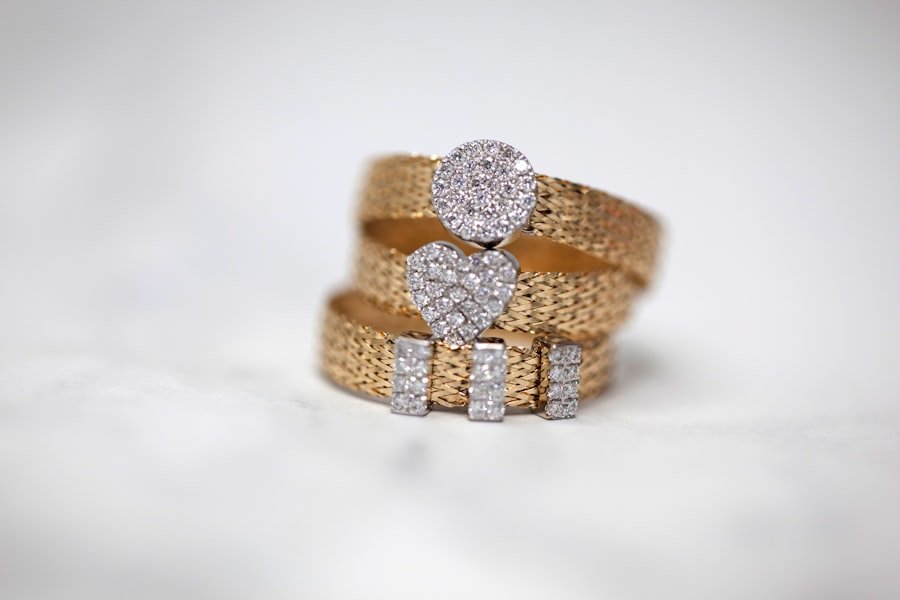
Gold jewelry often comes with purity marks stamped on it, which can help consumers identify the quality of the piece they are considering. These marks can vary by country and manufacturer but generally include numbers that indicate the karat value or a hallmark that signifies purity. For instance, a piece marked with “750” indicates that it contains 75% pure gold, equivalent to 18 karats.
Familiarizing oneself with these marks can empower buyers to make informed decisions when purchasing gold items. In addition to numerical stamps, some pieces may feature symbols or letters that denote specific standards or certifications. For example, in the United States, the “K” designation is commonly used alongside the karat number (e.g., 14K), while in Europe, you might see a hallmark indicating compliance with local regulations.
Understanding how to decode these purity marks not only helps in assessing the quality of gold jewelry but also aids in verifying authenticity and ensuring that you are receiving fair value for your investment.
The Importance of Gold Purity in Jewelry and Investment
| Gold Purity | Composition | Common Markings | Uses |
|---|---|---|---|
| 24 karat | 99.9% pure gold | 24K, 999 | Jewelry, investment |
| 18 karat | 75% gold, 25% alloy | 18K, 750 | 珠宝 |
| 14 karat | 58.3% gold, 41.7% alloy | 14K, 585 | 珠宝 |
| 10 karat | 41.7% gold, 58.3% alloy | 10K, 417 | 珠宝 |
| Gold Hallmark | Official stamp of purity | Varies by country | Quality assurance |
Gold purity plays a significant role in both jewelry and investment contexts. For jewelry, higher purity levels often translate to a more luxurious appearance and a richer color. Consumers seeking high-quality pieces typically gravitate towards higher karat options like 18K or 22K gold, as these offer a more vibrant hue and are less likely to tarnish over time.
However, it’s essential to balance aesthetics with practicality; lower karat options like 14K or 10K may be more suitable for everyday wear due to their increased durability.
Investors looking to purchase gold bullion or coins should prioritize pieces with high purity levels, as these are more likely to retain their value over time.
The global market often favors pure gold products, making them easier to sell or trade when needed. Therefore, understanding the importance of gold purity can significantly impact both personal enjoyment and financial returns for those involved in the jewelry and investment sectors.
Common Misconceptions about Gold Purity and Karats
Despite its significance, there are several misconceptions surrounding gold purity and karats that can lead to confusion among consumers. One common myth is that higher karat gold is always better. While it may be true that higher karat pieces contain more pure gold, they can also be softer and more susceptible to damage.
This means that for everyday wear, lower karat options may actually be more practical without sacrificing too much in terms of appearance. Another misconception is that all gold jewelry is created equal regardless of its origin or manufacturer. In reality, the quality of craftsmanship and materials can vary significantly between brands and regions.
Some manufacturers may use lower-quality alloys or employ less stringent standards for purity testing, which can affect both durability and value. By educating oneself about these misconceptions, consumers can make more informed choices when purchasing gold jewelry or investing in precious metals.
How to Test the Purity of Gold at Home
Using Nitric Acid Test Kits
One popular method for testing gold at home involves using a nitric acid test kit specifically designed for gold testing. This method requires applying a small drop of nitric acid to an inconspicuous area of the item. If the metal reacts by changing color or dissolving, it may indicate lower purity levels.
The Magnet Test
Another simple method involves using a magnet to test for authenticity. Pure gold is not magnetic; therefore, if your item is attracted to a magnet, it likely contains other metals mixed in that could lower its purity level.
Limitations and Professional Verification
While these home testing methods can provide some insight into your gold’s quality, they are not foolproof and should be used with caution. For definitive results, consulting a professional jeweler or appraiser remains the best course of action.
The Impact of Gold Purity on Pricing and Value
Gold purity has a direct impact on pricing and overall value in both retail and investment markets. Higher purity levels typically command higher prices due to their desirability among consumers and investors alike. For instance, an 18K gold piece will generally be priced higher than a 14K equivalent because it contains more pure gold content.
This relationship between purity and price underscores the importance of understanding these factors when buying or selling gold items. Moreover, fluctuations in global gold prices can also affect how much consumers are willing to pay for various purities. When market prices rise, even lower karat pieces may see an increase in value due to heightened demand for precious metals as safe-haven investments.
Conversely, during market downturns, buyers may gravitate towards lower-cost options like 10K or 14K gold as they seek affordability without sacrificing quality entirely. Thus, being aware of how gold purity influences pricing can help consumers make smarter financial decisions.
The Future of Gold Purity Standards and Regulations
As the demand for gold continues to grow globally, so too does the need for clear standards and regulations regarding purity measurements. In recent years, there has been an increasing push for greater transparency in the gold market to protect consumers from fraud and ensure fair trading practices. This has led to discussions about implementing stricter regulations on hallmarking and certification processes across various countries.
Looking ahead, advancements in technology may also play a role in shaping future standards for gold purity testing. Innovations such as portable X-ray fluorescence (XRF) analyzers allow for non-destructive testing of metal alloys without damaging the item itself. As these technologies become more accessible and affordable, they could revolutionize how consumers verify purity levels before making purchases or investments.
Ultimately, staying informed about evolving standards will be crucial for anyone involved in buying or selling gold in the years to come. In conclusion, understanding gold purity and karats is essential for anyone interested in jewelry or investment opportunities involving this precious metal. By familiarizing oneself with key concepts such as purity marks, testing methods, and market dynamics related to pricing and value, consumers can make informed decisions that align with their personal preferences and financial goals.
If you’re looking to buy or sell jewelry or precious metals, consider reaching out to Allen Gold and Silver Exchange at (469) 403-8356 or visit our website at https://www.allengoldandsilverexchange.com to learn more about our services and see our 5-star reviews on Google Maps!
If you are interested in learning more about jewelry and precious metals, you may also enjoy reading about luxury watches in the article “Timeless Elegance: Exploring the World of Luxury Watches” on the Allen Gold and Silver Exchange website. This article delves into the world of high-end timepieces and the craftsmanship that goes into creating these luxurious accessories. To read more, visit Timeless Elegance: Exploring the World of Luxury Watches.
常见问题解答
What is gold purity?
Gold purity refers to the amount of pure gold in a piece of jewelry or other gold item. It is typically expressed in karats, with 24 karat gold being the purest form.
What are karats?
Karats are a measurement of the purity of gold, with 24 karat gold being 100% pure. Lower karat gold contains a lower percentage of pure gold, with 18 karat gold being 75% pure, 14 karat gold being 58.3% pure, and so on.
How is gold purity determined?
Gold purity is determined through testing methods such as acid testing, electronic testing, and X-ray fluorescence testing. These methods help to accurately measure the percentage of pure gold in a piece of jewelry or gold item.
Why is gold often mixed with other metals?
Pure gold is too soft to be used in jewelry and other items, so it is often mixed with other metals such as silver, copper, or zinc to increase its durability and strength.
How can consumers determine the purity of gold?
Consumers can determine the purity of gold by looking for hallmark stamps on the item, which indicate the karatage of the gold. They can also have the gold tested by a professional jeweler or using at-home testing kits.


 简体中文
 English
 Español
 Español de Colombia
 Español de México
 Tagalog
 Tiếng Việt
 العربية
 Français
 한국어
 Русский
 Português do Brasil
 हिन्दी
 Deutsch
 Polski