

Introduction
Silver is a precious metal that has been valued for its beauty and versatility for thousands of years. Its history dates back to ancient civilizations, where it was used for currency, trade, and decorative arts. Today, silver continues to be highly sought after for its unique properties and wide range of applications. From jewelry and fashion to technology and healthcare, silver plays a vital role in various industries. In this article, we will explore the rich history, scientific properties, cultural significance, and future potential of silver.
The History of Silver: From Ancient Times to Modern Day
Silver has a long and storied history that spans across different cultures and time periods. It was first discovered around 5,000 BC in what is now modern-day Turkey. Ancient civilizations such as the Sumerians, Egyptians, Greeks, and Romans all recognized the value of silver and used it for various purposes. In these early civilizations, silver was primarily used for decorative arts, such as jewelry, ornaments, and utensils.
As trade routes expanded and economies developed, silver became an important form of currency. It was widely accepted as a medium of exchange due to its scarcity and durability. The use of silver coins as currency continued throughout the Middle Ages and into the modern era. In fact, many countries had their own silver coins, which were often used in international trade.
In addition to its use as currency, silver also played a crucial role in the development of technology and industry. Its high electrical conductivity and thermal conductivity made it ideal for use in electrical wiring, batteries, and various electronic devices. Silver is also used in the production of mirrors and reflective surfaces due to its exceptional reflectivity.
The Science Behind Silver’s Luminous Shine
One of the most striking properties of silver is its luminous shine. This is due to its high reflectivity, which allows it to bounce back light at a high intensity. Silver is often used in the production of mirrors and reflective surfaces because of this property.
In the process of making a mirror, a thin layer of silver is deposited onto a glass surface. The silver atoms align themselves in a regular pattern, which allows them to reflect light in a uniform manner. This creates a clear and bright reflection that is highly desirable in mirrors.
Silver’s reflectivity also plays a crucial role in photography and film. In traditional photography, silver halide crystals are used to capture and develop images. When exposed to light, these crystals undergo a chemical reaction that forms metallic silver, which creates the image. Similarly, in film photography, silver is used in the emulsion layer of the film to capture light and create an image.
The Versatility of Silver: From Jewelry to Industrial Applications
Silver has long been prized for its beauty and versatility. It is commonly used in the creation of jewelry and decorative arts due to its lustrous appearance and malleability. Silver jewelry has been worn by people throughout history as a symbol of wealth, status, and personal adornment.
In addition to its aesthetic appeal, silver also has important applications in medicine and healthcare. Silver has natural antibacterial properties, which make it effective in preventing the growth of bacteria and other microorganisms. It is commonly used in wound dressings, bandages, and medical devices to reduce the risk of infection.
Furthermore, silver is widely used in electronics and other industrial applications. Its high electrical conductivity makes it an ideal material for electrical wiring, circuit boards, and contacts. Silver is also used in batteries, solar panels, and various electronic devices due to its ability to efficiently conduct electricity.
The Art of Silverwork: Mastering the Craft of Silversmithing
Silversmithing is the art of working with silver to create objects of beauty and utility. It has a long history that dates back thousands of years and has been practiced by skilled artisans around the world. Silversmiths use a variety of techniques, such as forging, soldering, and engraving, to shape and manipulate silver into desired forms.
The craftsmanship involved in silversmithing is highly valued and requires a combination of technical skill and artistic vision. Silversmiths must have a deep understanding of the properties of silver and how to work with it effectively. They often spend years honing their craft and perfecting their techniques.
In the modern era, silversmithing faces new challenges and opportunities. While traditional techniques are still highly valued, contemporary silversmiths are also exploring innovative approaches and pushing the boundaries of what is possible with silver. The use of computer-aided design (CAD) and 3D printing has opened up new possibilities for creating intricate and complex silver objects.
The Health Benefits of Silver: From Antibacterial Properties to Wound Healing
Silver has long been recognized for its antibacterial properties and has been used in medical settings for centuries. It is effective against a wide range of bacteria, including antibiotic-resistant strains such as MRSA. Silver ions disrupt the cell membranes of bacteria, preventing them from reproducing and causing infection.
In addition to its antibacterial properties, silver also has wound healing properties. It promotes the growth of new cells and tissue, which can help speed up the healing process. Silver dressings are commonly used in the treatment of burns, ulcers, and other types of wounds.
However, it is important to note that while silver has many potential health benefits, there are also potential risks associated with its use. High levels of silver exposure can be toxic to humans and can cause a condition called argyria, which results in a bluish-gray discoloration of the skin. It is important to use silver products in moderation and under the guidance of healthcare professionals.
The Sustainability of Silver: A Closer Look at Ethical Mining and Recycling
The mining of silver has both environmental and social impacts. Silver is often found in conjunction with other metals, such as lead, zinc, and copper, which are extracted from the earth through mining. The extraction process can result in deforestation, habitat destruction, and water pollution.
However, there are efforts being made to promote ethical mining practices and responsible sourcing of silver. Organizations such as the Responsible Jewellery Council (RJC) and the Initiative for Responsible Mining Assurance (IRMA) have established standards and certification programs to ensure that silver is mined in an environmentally and socially responsible manner.
In addition to mining, recycling silver is also an important aspect of sustainability. Silver can be recycled from various sources, such as electronic waste, jewelry scrap, and photographic film. Recycling silver reduces the need for new mining and helps conserve natural resources. It also reduces the environmental impact associated with the extraction and processing of silver.
The Cultural Significance of Silver: From Symbolism to Superstition
Silver has deep cultural significance in many different cultures around the world. It has been associated with wealth, purity, and spirituality in various religions and belief systems. In Hinduism, silver is considered a sacred metal and is often used in religious ceremonies and rituals. In Christianity, silver is associated with purity and is used in religious artifacts such as chalices and crosses.
Silver also has a long history of superstitions and folklore. In many cultures, silver is believed to have protective properties against evil spirits and bad luck. It is often worn as an amulet or talisman to ward off negative energies. In some cultures, it is believed that silver can detect poison by changing color when it comes into contact with certain substances.
Furthermore, silver has played a significant role in art and literature throughout history. It has been depicted in paintings, sculptures, and literature as a symbol of beauty, elegance, and luxury. Artists and writers have been inspired by the shimmering qualities of silver and its ability to capture and reflect light.
The Future of Silver: Innovations and Advancements in Silver Technology
The future of silver holds great potential for innovation and advancement. Researchers and scientists are constantly exploring new applications and technologies that can benefit from the unique properties of silver. One area of research is the use of silver in renewable energy technologies, such as solar cells and batteries. Silver’s high electrical conductivity and stability make it an ideal material for these applications.
Another area of interest is the use of silver nanoparticles in various fields, such as medicine, electronics, and environmental remediation. Silver nanoparticles have unique properties that make them highly effective in killing bacteria, conducting electricity, and removing pollutants from water and air.
However, there are also challenges that need to be addressed in the future of silver. The availability of silver as a natural resource is limited, and increased demand for silver in various industries could lead to supply shortages. Finding sustainable and responsible ways to mine and recycle silver will be crucial in ensuring its availability for future generations.
The Beauty of Silver in Fashion: From Timeless Elegance to Modern Trends
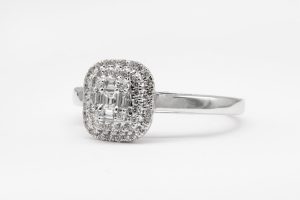
Silver has long been associated with elegance and sophistication in the world of fashion. It has been used in jewelry, accessories, and clothing to add a touch of glamour and style. Silver jewelry has been worn by both men and women throughout history as a symbol of wealth, status, and personal adornment.
In contemporary fashion, silver continues to be a popular choice for designers and consumers alike. It is often used in statement jewelry pieces, such as necklaces, bracelets, and earrings. Silver is also used in watches, handbags, shoes, and other accessories to add a touch of luxury.
Silver’s versatility allows it to be paired with a wide range of colors and materials, making it a versatile choice for fashion designers. It can be combined with gemstones, pearls, and other precious metals to create unique and eye-catching designs. Silver’s cool and metallic sheen adds a modern and futuristic touch to any outfit.
The Investment Value of Silver: A Guide to Buying and Collecting Silver
Silver has long been considered a valuable investment due to its scarcity and intrinsic value. The value of silver is influenced by various factors, such as supply and demand, economic conditions, and investor sentiment. Like other precious metals, silver is often seen as a safe haven investment during times of economic uncertainty.
There are different forms of silver available for investment and collection. The most common form is silver bullion, which comes in the form of bars or coins. Silver bullion is typically sold based on its weight and purity, with higher purity silver commanding a higher price.
Another popular form of silver investment is silver jewelry and collectibles. Antique silver pieces, such as tea sets, flatware, and decorative objects, can hold significant value due to their craftsmanship and historical significance. Collecting silver coins from different countries and time periods is also a popular hobby among numismatists.
When buying and collecting silver for investment purposes, it is important to do thorough research and work with reputable dealers. Understanding the factors that affect the value of silver and staying informed about market trends can help investors make informed decisions.
结论
Silver is a precious metal that has played a significant role in human history for thousands of years. From ancient civilizations to modern-day industries, silver has been valued for its beauty, versatility, and unique properties. Its luminous shine, antibacterial properties, and high electrical conductivity make it highly sought after in various fields.
The art of silversmithing continues to thrive, with artisans combining traditional techniques with modern innovations. The cultural significance of silver is deeply rooted in different cultures around the world, with silver being associated with wealth, purity, and spirituality.
As we look to the future, silver holds great potential for innovation and advancement. Researchers and scientists are exploring new applications and technologies that can benefit from the unique properties of silver. However, it is important to ensure that silver is mined and recycled in an ethical and sustainable manner to protect the environment and preserve this precious resource for future generations.
In conclusion, silver is a remarkable metal that has left an indelible mark on our world. Its beauty, versatility, and cultural significance make it a truly timeless treasure. Whether it is adorning our bodies, powering our devices, or inspiring our creativity, silver continues to shine bright in our lives.
If you’re interested in investing in silver, you may also want to check out this article on the importance of investing in fine jewelry. It discusses how fine jewelry can be a valuable asset and a smart investment choice. Whether you’re looking to diversify your portfolio or simply enjoy the beauty of exquisite pieces, this article provides valuable insights. Read more


 简体中文
 English
 Español
 Español de Colombia
 Español de México
 Tagalog
 Tiếng Việt
 العربية
 Français
 한국어
 Русский
 Português do Brasil
 हिन्दी
 Deutsch
 Polski