

Jewelry evaluation is a crucial aspect of the jewelry industry. It involves assessing the quality, authenticity, and value of various pieces of jewelry. Whether it’s a diamond engagement ring or a vintage necklace, accurate evaluation is essential for both buyers and sellers. In this blog post, we will explore the latest trends in jewelry evaluation and how they are shaping the industry. From technological advancements to sustainable practices, we will delve into the factors that are influencing the future of jewelry evaluation.
Key Takeaways
- Jewelry evaluation trends are constantly evolving and it is important to stay up-to-date with the latest developments.
- Predicting future trends is crucial for businesses to stay ahead of the competition and meet consumer demands.
- Technological advancements such as 3D printing and artificial intelligence are revolutionizing the jewelry evaluation process.
- Sustainable and ethical practices are becoming increasingly important in the jewelry industry, with consumers demanding transparency and accountability.
- Lab-grown diamonds and alternative gemstones are gaining popularity as consumers seek more affordable and eco-friendly options.
The Importance of Predicting Future Trends
Predicting future trends is vital in any industry, and the jewelry industry is no exception. By staying ahead of the curve and anticipating what customers will want, businesses can gain a competitive edge. For example, if a jeweler predicts that rose gold will be popular in the coming year, they can stock up on rose gold pieces and attract customers who are looking for this trendy metal. Additionally, predicting trends allows businesses to plan their inventory and marketing strategies accordingly, ensuring that they are meeting customer demands and maximizing their profits.
Technological Advancements in Jewelry Evaluation
Technological advancements have revolutionized the field of jewelry evaluation. From 3D scanning to artificial intelligence, these advancements have made it easier and more accurate to assess the quality and value of jewelry. For example, 3D scanning technology allows jewelers to create detailed digital models of jewelry pieces, which can then be used for evaluation purposes. This eliminates the need for physical inspection and reduces the risk of damage to valuable pieces.
Artificial intelligence (AI) is another technological advancement that is transforming jewelry evaluation. AI algorithms can analyze various factors such as gemstone quality, metal purity, and craftsmanship to determine the value of a piece of jewelry. This not only saves time but also ensures consistent and objective evaluations.
Sustainable and Ethical Jewelry Evaluation Practices
| Metrics | Beschreibung |
|---|---|
| Material Sourcing | Evaluation of the origin and quality of the materials used in the jewelry production process. |
| Labor Practices | Assessment of the working conditions and treatment of workers involved in the jewelry production process. |
| Umweltbelastung | Measurement of the environmental impact of the jewelry production process, including waste management and energy consumption. |
| Transparency | Disclosure of information related to the jewelry production process, including material sourcing, labor practices, and environmental impact. |
| Community Engagement | Involvement of local communities in the jewelry production process and support for community development initiatives. |
In recent years, there has been a growing emphasis on sustainability and ethics in the jewelry industry. Consumers are becoming more conscious of the environmental and social impact of their purchases, and this has led to a demand for sustainable and ethically sourced jewelry. In response, jewelry evaluation practices are evolving to incorporate these values.
One example of a sustainable practice in jewelry evaluation is the use of recycled metals. By using recycled gold or silver, jewelers can reduce the environmental impact of mining and promote a circular economy. Ethical practices, such as ensuring fair labor conditions and avoiding conflict minerals, are also becoming increasingly important in jewelry evaluation.
The Rise of Lab-Grown Diamonds and Other Alternative Gemstones
Lab-grown diamonds and other alternative gemstones are gaining popularity in the jewelry industry. These stones are created in a laboratory using advanced technology, mimicking the natural processes that occur deep within the Earth. Lab-grown diamonds have the same physical and chemical properties as natural diamonds but are typically more affordable.
This trend is impacting the jewelry industry in several ways. Firstly, it is challenging the traditional notion that natural diamonds are superior to lab-grown ones. As consumers become more educated about lab-grown diamonds, they are realizing that they offer a more ethical and sustainable alternative. Secondly, the rise of lab-grown diamonds is disrupting the diamond mining industry, which has long been associated with environmental and social issues.
Personalization and Customization in Jewelry Evaluation
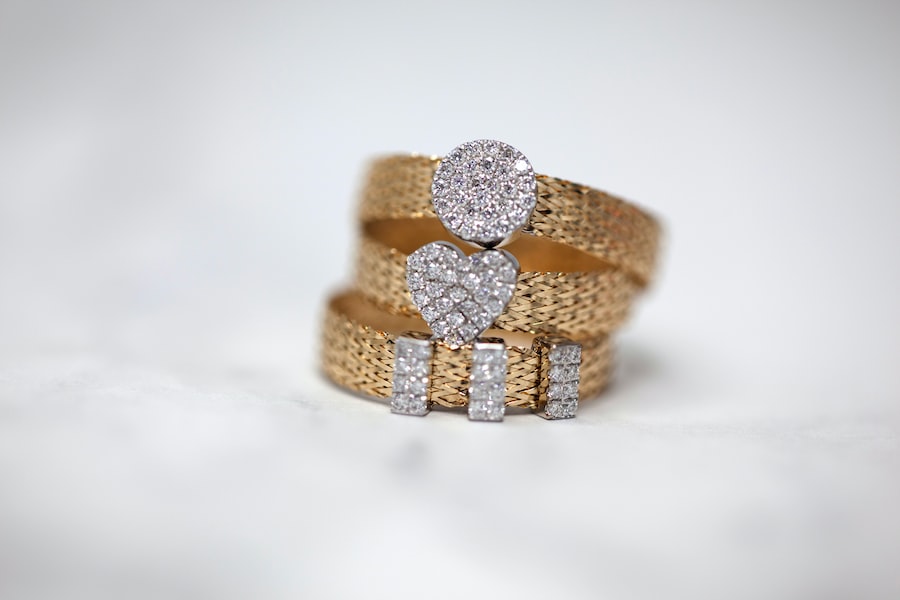
Personalization and customization have become increasingly popular trends in the jewelry industry. Customers want unique pieces that reflect their individual style and personality. In response, jewelers are offering personalized services such as engraving, custom designs, and birthstone options.
This trend is also extending to the evaluation process itself. Customers want to know the story behind their jewelry, including information about the materials used and the craftsmanship involved. Jewelers are incorporating this desire for transparency into their evaluation practices by providing detailed documentation and certificates of authenticity.
Influential Factors in Jewelry Evaluation Trends
Several factors influence jewelry evaluation trends. One of the most significant factors is consumer preferences and tastes. As mentioned earlier, predicting and understanding these preferences is crucial for businesses to stay relevant and meet customer demands.
Another influential factor is the global economy. Economic conditions can impact the demand for luxury goods, including jewelry. For example, during a recession, consumers may be more inclined to purchase affordable or second-hand jewelry rather than splurging on high-end pieces.
Additionally, cultural and societal factors play a role in shaping jewelry evaluation trends. For example, certain gemstones or designs may be considered more fashionable or symbolic in different cultures. Keeping up with these cultural trends can help businesses cater to specific markets and demographics.
The Impact of Social Media on Jewelry Evaluation
Social media has had a significant impact on jewelry evaluation trends. Platforms like Instagram and Pinterest have become popular sources of inspiration for consumers looking for unique jewelry designs. Jewelers are leveraging social media to showcase their products and connect with potential customers.
Social media influencers also play a role in shaping jewelry evaluation trends. Influencers with large followings can influence consumer preferences by promoting certain brands or styles. This has led to an increase in collaborations between jewelers and influencers, as businesses recognize the power of social media in reaching their target audience.
Emerging Markets and Jewelry Evaluation Trends
Emerging markets are playing an increasingly important role in shaping jewelry evaluation trends. As economies grow and disposable incomes rise in countries like China and India, there is a growing demand for luxury goods, including jewelry. This has led to a shift in focus from traditional markets to these emerging markets.
Businesses can take advantage of these emerging markets by understanding the cultural preferences and tastes of consumers in these regions. For example, certain gemstones or designs may be more popular in Asia compared to Western countries. By tailoring their products and marketing strategies to these markets, businesses can tap into new opportunities for growth.
Implications and Opportunities for the Jewelry Industry in 2024
Looking ahead to 2024, there are several implications and opportunities for the jewelry industry. The continued advancement of technology will likely lead to even more accurate and efficient jewelry evaluation practices. This will benefit both businesses and consumers, as it will ensure transparency and trust in the industry.
The rise of sustainable and ethical practices will also continue to shape the industry. Consumers are becoming more conscious of their purchasing decisions and are demanding jewelry that aligns with their values. Businesses that prioritize sustainability and ethics in their evaluation practices will have a competitive advantage in the market.
Furthermore, the increasing popularity of lab-grown diamonds and alternative gemstones will likely disrupt the traditional diamond industry. Jewelers will need to adapt to this trend by offering a range of options to cater to different customer preferences.
In conclusion, jewelry evaluation trends are constantly evolving, driven by factors such as technology, sustainability, consumer preferences, and emerging markets. By staying informed about these trends and adapting their practices accordingly, businesses can thrive in the ever-changing jewelry industry.
Check out our related article on “How to Sell Your Gold for Top Money in Plano” to learn valuable tips and tricks for getting the most out of your gold jewelry. Whether you’re looking to sell your gold for cash or upgrade your timepiece, Allen Gold and Silver Exchange has got you covered. With their top-notch jewelry evaluation services and a wide range of options for selling or trading watches, they are the go-to jewelry store in Allen, Texas. Don’t miss out on unlocking the value of your gold and exploring the world of luxury watches. Read more
FAQs
What is jewelry evaluation?
Jewelry evaluation is the process of determining the value, quality, and authenticity of a piece of jewelry.
What are the current trends in jewelry evaluation?
As of 2021, the current trends in jewelry evaluation include the use of advanced technology such as 3D imaging and artificial intelligence, increased focus on sustainability and ethical sourcing, and the growing popularity of lab-grown diamonds.
What is 3D imaging in jewelry evaluation?
3D imaging is a technology used in jewelry evaluation that creates a digital model of a piece of jewelry. This allows for a more accurate assessment of the jewelry’s value and quality.
What is artificial intelligence in jewelry evaluation?
Artificial intelligence is a technology used in jewelry evaluation that uses algorithms to analyze data and make predictions about the value and quality of a piece of jewelry.
What is sustainability in jewelry evaluation?
Sustainability in jewelry evaluation refers to the consideration of environmental and social factors in the production and sourcing of jewelry. This includes using recycled materials and ensuring fair labor practices.
What are lab-grown diamonds?
Lab-grown diamonds are diamonds that are created in a laboratory setting using advanced technology. They have the same physical and chemical properties as natural diamonds, but are typically less expensive and more sustainable.


 Deutsch
 English
 Español
 Español de Colombia
 Español de México
 简体中文
 Tagalog
 Tiếng Việt
 العربية
 Français
 한국어
 Русский
 Português do Brasil
 हिन्दी
 Polski