

Silver has held a prominent place in human civilization for thousands of years, serving not only as a medium of exchange but also as a symbol of wealth and status. Its journey began in ancient civilizations, where it was mined and crafted into jewelry, utensils, and coins. The earliest known use of silver dates back to around 3000 BC in Mesopotamia, where it was valued for its beauty and rarity.
As trade routes expanded, silver became a crucial component of commerce, facilitating transactions across cultures and continents. The Romans, for instance, utilized silver coins extensively, which helped to standardize trade and establish economic stability throughout their empire. This historical significance laid the groundwork for silver’s enduring reputation as a valuable commodity.
As societies evolved, so too did the role of silver in economic systems. During the Middle Ages, silver emerged as a key currency in Europe, with the establishment of various minting practices that further solidified its status. The discovery of the New World in the 15th century brought an influx of silver from mines in Mexico and Peru, dramatically impacting global economies.
This surge not only enriched European powers but also led to inflation and economic shifts that would shape the modern financial landscape. By the 19th century, silver was firmly entrenched in the monetary systems of many nations, often used alongside gold as a standard for currency. The historical trajectory of silver illustrates its multifaceted role as both a tangible asset and a cornerstone of economic development.
Key Takeaways
- Silver has been valued as a commodity for thousands of years, with a rich history of use in currency, jewelry, and decorative arts.
- Silver is often considered a safe haven investment, particularly during times of economic uncertainty and market volatility.
- The industrial demand for silver is significant, with applications in electronics, solar panels, medical devices, and more.
- Silver has the potential for growth in value due to its limited supply and increasing demand in various industries.
- Investing in silver can provide diversification benefits to a portfolio, helping to spread risk and potentially enhance returns.
Silver’s Role as a Safe Haven Investment
Intrinsic Value and Historical Precedent
This characteristic is largely attributed to its intrinsic value; silver is not merely a paper asset but a physical commodity that has been treasured for millennia. When geopolitical tensions rise or economic indicators signal trouble, investors flock to silver as a hedge against inflation and currency devaluation. This behavior is rooted in the historical precedent that during crises—be it wars, recessions, or pandemics—silver has often outperformed other asset classes.
A More Accessible Alternative to Gold
While gold is often viewed as the ultimate safe-haven asset, silver offers a more accessible entry point for many investors. Its lower price per ounce compared to gold makes it an attractive option for those looking to diversify their portfolios without committing substantial capital.
Versatility and Industrial Demand
Additionally, during periods of economic recovery, silver can benefit from increased industrial demand, further enhancing its appeal as a versatile investment. This unique combination of characteristics positions silver as a compelling choice for those seeking stability amidst uncertainty.
The Industrial Demand for Silver
Beyond its role as a monetary asset, silver plays an indispensable part in various industrial applications, which significantly contributes to its overall demand. The metal’s exceptional conductivity makes it invaluable in electronics, where it is used in everything from smartphones to solar panels. As technology continues to advance and the world shifts towards renewable energy sources, the demand for silver in these sectors is expected to grow exponentially.
For instance, the solar industry relies heavily on silver for photovoltaic cells, which convert sunlight into electricity. This burgeoning market not only underscores silver’s importance but also highlights its potential for long-term growth driven by technological innovation. In addition to electronics and renewable energy, silver is also utilized in medical applications due to its antimicrobial properties.
Hospitals and healthcare facilities increasingly incorporate silver into medical devices and wound dressings to prevent infections and promote healing. This trend reflects a broader recognition of silver’s unique qualities that extend beyond traditional uses. As industries evolve and new technologies emerge, the industrial demand for silver is likely to expand further, creating additional opportunities for investors.
The interplay between silver’s historical significance and its modern applications positions it as a critical component of both the economy and investment strategies.
Silver’s Potential for Growth in Value
| Factors | Impact on Growth Potential |
|---|---|
| Industrial Demand | Increasing use in electronics and green technologies |
| Investor Demand | Growing interest as a hedge against inflation |
| Supply Constraints | Declining mine production and limited recycling |
| Economic Uncertainty | Historical safe-haven asset during times of crisis |
The potential for silver to appreciate in value is influenced by several factors that make it an attractive investment option. One significant driver is the ongoing global shift towards sustainable energy solutions. As governments worldwide implement policies aimed at reducing carbon emissions and promoting green technologies, the demand for silver is poised to increase dramatically.
For example, electric vehicles (EVs) are becoming more mainstream, and their production requires substantial amounts of silver for components such as batteries and wiring. This transition towards cleaner energy not only enhances silver’s industrial demand but also positions it favorably within the context of global economic trends. Additionally, macroeconomic factors such as inflation and currency fluctuations can create an environment conducive to silver price growth.
When inflation rises, the purchasing power of fiat currencies diminishes, prompting investors to seek tangible assets like silver that can preserve value over time. Historical data suggests that during periods of high inflation, silver prices tend to rise significantly as investors flock to it as a hedge against eroding currency values. Furthermore, geopolitical tensions can lead to increased volatility in financial markets, driving more investors towards safe-haven assets like silver.
This combination of industrial demand and macroeconomic influences creates a compelling case for silver’s potential growth in value.
The Diversification Benefits of Investing in Silver
Investing in silver offers unique diversification benefits that can enhance an investor’s overall portfolio strategy. One of the primary advantages is that silver often exhibits low correlation with traditional asset classes such as stocks and bonds. This means that when equity markets experience downturns or volatility, silver may not be affected in the same way, providing a buffer against losses.
By incorporating silver into a diversified portfolio, investors can mitigate risk while potentially enhancing returns over time. This characteristic makes silver an appealing option for those looking to balance their investments across various asset classes. Moreover, the inclusion of silver can provide exposure to different market dynamics that may not be captured through conventional investments alone.
For instance, while stock prices may be influenced by corporate earnings reports or economic indicators, silver prices are often driven by supply-demand dynamics within both the industrial sector and investment markets. This unique positioning allows investors to tap into different sources of value creation while reducing overall portfolio volatility. As such, adding silver can be an effective strategy for those seeking to achieve long-term financial goals while navigating the complexities of market fluctuations.
The Role of Silver in a Balanced Portfolio
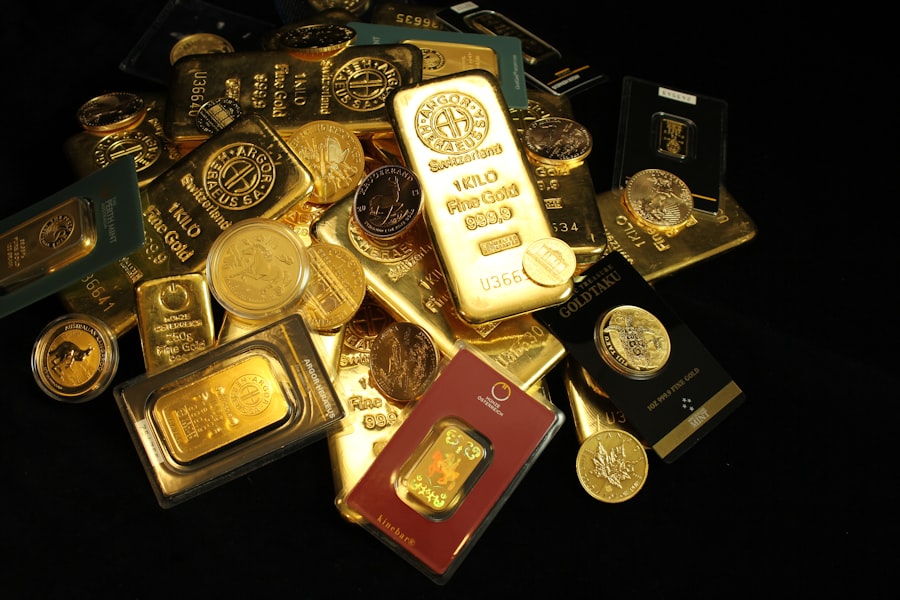
In crafting a balanced investment portfolio, the role of silver cannot be overstated. As an asset class that combines elements of both precious metals and industrial commodities, silver provides a unique opportunity for investors to achieve stability while pursuing growth. Its historical performance during economic downturns reinforces its status as a reliable store of value; thus, including it in a portfolio can help safeguard against market turbulence.
Furthermore, with increasing global uncertainties—ranging from geopolitical conflicts to economic instability—silver serves as an effective hedge that can protect wealth over time. Additionally, the versatility of silver allows it to complement other investments effectively. For instance, while equities may offer high growth potential during bull markets, they can also expose investors to significant risks during downturns.
Silver’s ability to act as a counterbalance during such periods enhances overall portfolio resilience. Moreover, with its dual role as both an investment vehicle and an industrial metal, silver can provide exposure to various market trends that may not be captured through traditional investments alone. This multifaceted nature makes it an essential component of any well-rounded investment strategy aimed at achieving long-term financial success.
The Environmental and Sustainability Factors of Silver
As global awareness regarding environmental sustainability continues to grow, so too does the scrutiny surrounding mining practices and their impact on ecosystems. Silver mining is no exception; however, advancements in technology and responsible mining practices are paving the way for more sustainable extraction methods. Many companies are now adopting environmentally friendly practices that minimize waste and reduce carbon footprints associated with mining operations.
These efforts not only address environmental concerns but also enhance the long-term viability of silver as an investment by ensuring that supply chains are sustainable. Furthermore, the increasing demand for silver in renewable energy technologies aligns with broader sustainability goals. As nations strive to transition away from fossil fuels and embrace cleaner energy sources, the role of silver becomes even more critical.
Solar panels and electric vehicles—two key components of sustainable energy solutions—rely heavily on silver for their production. This intersection between industrial demand and environmental responsibility positions silver favorably within the context of global efforts to combat climate change. Investors who prioritize sustainability may find that investing in silver aligns with their values while also offering potential financial returns.
How to Invest in Silver: Options and Considerations
Investing in silver can take various forms, each with its own set of advantages and considerations that potential investors should weigh carefully. One popular method is purchasing physical silver in the form of coins or bars. This tangible asset allows investors to hold their investment directly but requires considerations regarding storage and security.
Physical ownership also entails additional costs such as premiums over spot prices and potential insurance expenses. However, many investors appreciate the intrinsic value associated with owning physical metal and view it as a hedge against economic instability. Another avenue for investing in silver is through exchange-traded funds (ETFs) that track the price of silver or invest in companies involved in mining and production.
ETFs offer liquidity and ease of trading similar to stocks while providing exposure to the performance of silver without the need for physical storage. Additionally, futures contracts represent another option for more experienced investors looking to speculate on price movements or hedge against market fluctuations. Each investment method carries its own risk profile and requires careful consideration based on individual financial goals and risk tolerance levels.
In conclusion, investing in silver presents numerous opportunities rooted in its historical significance, industrial demand, safe-haven characteristics, diversification benefits, and sustainability factors. As global dynamics continue to evolve, understanding these elements will be crucial for investors seeking to navigate the complexities of financial markets while capitalizing on the unique advantages that silver offers.
If you’re considering the merits of investing in silver, you might also be interested in exploring other valuable assets. A related article that delves into the allure and enduring value of gemstones is “Diamonds: The Timeless Beauty and Value of Nature’s Most Precious Gemstones.” This piece can provide you with insights into why diamonds, much like silver, are considered a wise investment due to their lasting worth and appeal. You can read more about it by visiting Diamonds: The Timeless Beauty and Value of Nature’s Most Precious Gemstones.



 Tagalog
 English
 Español
 Español de Colombia
 Español de México
 简体中文
 Tiếng Việt
 العربية
 Français
 한국어
 Русский
 Português do Brasil
 हिन्दी
 Deutsch
 Polski