

Gold and silver have held a prominent place in human history, serving not only as currency but also as symbols of wealth, power, and prestige. From ancient civilizations to modern economies, these precious metals have been integral to trade and commerce. The allure of gold dates back thousands of years, with its first recorded use as currency in Mesopotamia around 3000 BCivilizations such as the Egyptians, Greeks, and Romans revered gold for its rarity and beauty, often using it to craft intricate jewelry and artifacts that signified status and divine favor.
Silver, too, has a rich history, being utilized by various cultures for both practical and ceremonial purposes. The Greeks minted silver coins, which facilitated trade across vast distances, while the Chinese used silver as a standard for their monetary system during the Tang Dynasty. This historical context underscores the enduring value of these metals, which have transcended time and geography.
As societies evolved, so did the role of gold and silver in economic systems. The establishment of the gold standard in the 19th century marked a significant turning point, as nations pegged their currencies to a specific amount of gold, thereby instilling a sense of stability and trust in their financial systems. This practice not only solidified gold’s status as a cornerstone of global finance but also influenced international trade dynamics.
Silver, often referred to as “the poor man’s gold,” played a complementary role in this system, providing a more accessible means of exchange for everyday transactions. The discovery of vast silver deposits in the Americas during the colonial era further fueled its importance, leading to an influx of silver into European markets. Today, the historical significance of gold and silver continues to resonate, as they are viewed not merely as commodities but as tangible assets that embody centuries of economic evolution.
Key Takeaways
- Gold and silver have been historically significant as forms of currency, store of value, and symbols of wealth and power.
- Current market trends show increasing demand for gold and silver as safe-haven assets during times of economic uncertainty and inflation.
- Gold and silver play a crucial role in diversifying investment portfolios, providing a hedge against market volatility and currency devaluation.
- Investors can incorporate gold and silver into their investment strategy through physical ownership, ETFs, mining stocks, and futures contracts.
- Factors to consider when investing in gold and silver include market conditions, geopolitical events, and supply and demand dynamics.
- Investing in gold and silver offers potential rewards such as portfolio diversification and protection against inflation, but also carries risks such as price volatility and liquidity issues.
- Expert tips for maximizing the benefits of gold and silver investments include conducting thorough research, diversifying within the precious metals sector, and staying informed about market trends and global economic developments.
The Current Market Trends for Gold and Silver
Market Fluctuations in Gold and Silver
The market for gold and silver has experienced significant fluctuations in recent years, driven by various economic factors. As of late 2023, gold prices have surged to new heights, reflecting heightened investor interest amid global economic uncertainty. Factors such as inflationary pressures, geopolitical tensions, and fluctuating interest rates have prompted many investors to seek refuge in these precious metals.
Gold as a Safe Haven Asset
Gold is often perceived as a safe haven asset; during times of crisis or instability, its value tends to rise as investors flock to it for security. This trend has been particularly evident in the wake of the COVID-19 pandemic, which has disrupted economies worldwide and led to increased volatility in financial markets. Consequently, gold has regained its status as a reliable store of value, with many analysts predicting continued upward momentum in its price.
Silver’s Resurgence and Unique Dynamics
Silver has also seen a resurgence in interest, albeit with its own unique set of dynamics. While it shares many characteristics with gold as a precious metal, silver’s industrial applications have contributed to its price movements. The growing demand for silver in sectors such as electronics, solar energy, and electric vehicles has created a dual narrative for this metal—one that encompasses both investment and industrial use.
A Diversified Approach to Precious Metal Investments
As countries strive to transition towards greener technologies, the demand for silver is expected to rise significantly. Additionally, silver’s price is often more volatile than that of gold due to its smaller market size and greater susceptibility to economic cycles. Investors are increasingly recognizing the potential for silver to complement their portfolios alongside gold, leading to a more diversified approach to precious metal investments.
The Role of Gold and Silver in Diversifying Investment Portfolios
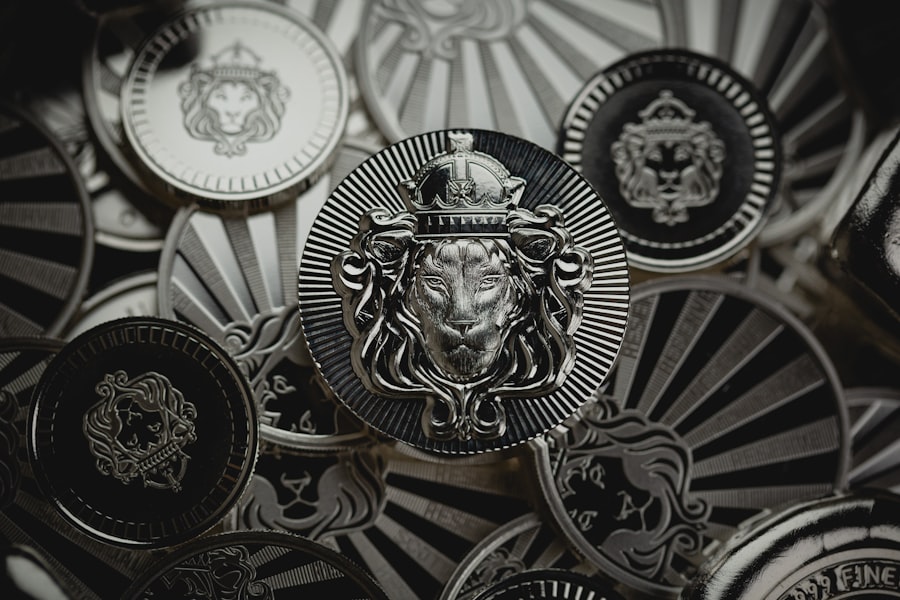
Incorporating gold and silver into an investment portfolio can serve as a strategic move for risk management and diversification. Historically, these precious metals have exhibited low correlation with traditional asset classes such as stocks and bonds. This characteristic makes them an attractive option for investors seeking to mitigate risk during periods of market turbulence.
When equity markets experience downturns or economic uncertainty looms, gold and silver often retain their value or even appreciate, providing a buffer against potential losses in other areas of a portfolio. By allocating a portion of investments to these metals, individuals can enhance their overall portfolio resilience and reduce volatility. Moreover, the inclusion of gold and silver can offer potential growth opportunities alongside their protective qualities.
As global economic conditions evolve, the demand for these metals can fluctuate based on various factors such as inflation rates, currency strength, and geopolitical events. For instance, during periods of high inflation, investors may turn to gold as a hedge against eroding purchasing power. Similarly, silver’s industrial demand can drive price increases in tandem with technological advancements and shifts towards renewable energy sources.
By strategically investing in both gold and silver, investors can position themselves to capitalize on diverse market trends while simultaneously safeguarding their assets against unforeseen economic challenges.
How to Incorporate Gold and Silver into Your Investment Strategy
| Investment Strategy | Ouro | Prata |
|---|---|---|
| Diversificação | Provides hedge against inflation and currency devaluation | Offers diversification and acts as a store of value |
| Risk Management | Historically considered a safe haven asset | Can be used to mitigate risk in a portfolio |
| Long-Term Growth | Has potential for long-term capital appreciation | Can provide growth opportunities in industrial and technological sectors |
Incorporating gold and silver into an investment strategy requires careful consideration of various factors, including investment goals, risk tolerance, and market conditions. One common approach is through physical ownership of these metals in the form of coins or bullion bars. This tangible asset provides a sense of security for many investors who prefer holding their wealth in a physical form rather than relying solely on digital or paper assets.
However, owning physical gold or silver comes with storage and insurance considerations that must be factored into the overall investment strategy. Another avenue for exposure to gold and silver is through exchange-traded funds (ETFs) or mutual funds that focus on these precious metals. These financial instruments allow investors to gain exposure without the complexities associated with physical ownership.
ETFs that track the price movements of gold or silver can provide liquidity and ease of trading while still offering the benefits associated with these metals. Additionally, investing in mining stocks can be another way to gain indirect exposure to gold and silver markets; however, this approach carries its own set of risks tied to company performance and operational challenges. Ultimately, the key is to align the chosen method of investment with individual financial objectives while remaining informed about market trends.
Factors to Consider When Investing in Gold and Silver
When considering investments in gold and silver, several critical factors should be taken into account to make informed decisions. First and foremost is understanding the current market conditions that influence prices. Economic indicators such as inflation rates, interest rates, currency fluctuations, and geopolitical events can all impact the value of these metals.
For instance, rising inflation often leads investors to flock to gold as a hedge against declining purchasing power; conversely, increasing interest rates may dampen demand for non-yielding assets like gold and silver. Staying abreast of these economic indicators can provide valuable insights into potential price movements. Another important factor is the method of investment chosen—whether through physical ownership or financial instruments like ETFs or mining stocks.
Each approach carries distinct advantages and disadvantages that should align with an investor’s risk tolerance and liquidity needs. For example, while physical ownership offers tangible security, it also requires considerations around storage costs and insurance. On the other hand, ETFs provide ease of trading but may not offer the same level of emotional satisfaction that comes from holding physical assets.
Additionally, understanding the fees associated with different investment vehicles is crucial; high management fees can erode potential returns over time. By carefully evaluating these factors, investors can develop a well-rounded strategy that aligns with their financial goals.
The Potential Risks and Rewards of Investing in Gold and Silver
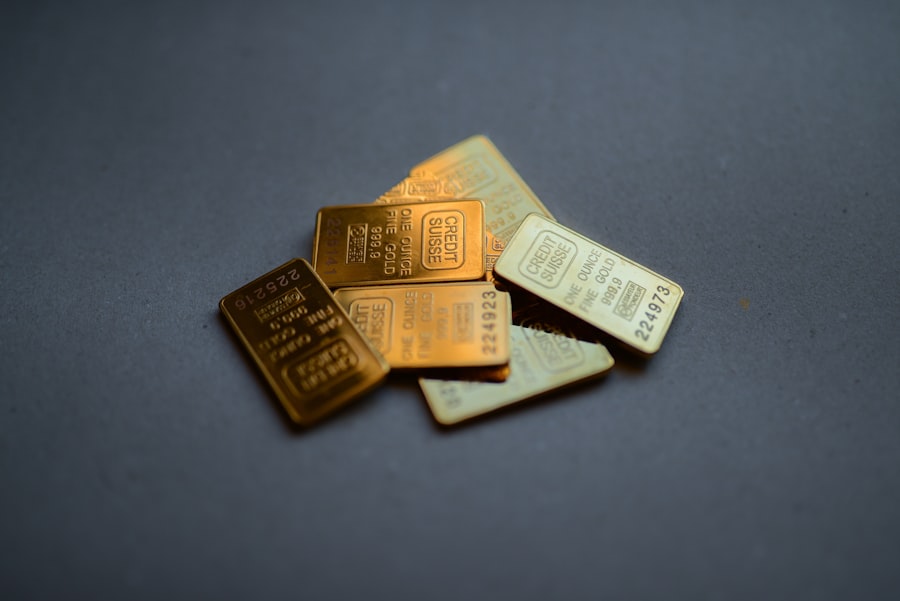
Understanding the Rewards of Investing in Gold and Silver
Investing in gold and silver offers both potential rewards and inherent risks that must be carefully weighed by prospective investors. Historically, these precious metals have served as safe-haven assets during times of economic uncertainty or market volatility. Their ability to retain value over time makes them an attractive option for those looking to preserve wealth or hedge against inflationary pressures.
Upside Potential and Industrial Demand
Moreover, with increasing industrial demand for silver driven by technological advancements—such as solar energy production—there exists significant upside potential for both metals in the coming years. This growing demand can lead to increased prices and higher returns on investment.
Challenges and Risks of Investing in Gold and Silver
However, it is essential to recognize that investing in gold and silver is not without its challenges. Price volatility can be pronounced; while these metals may appreciate significantly during certain periods, they can also experience sharp declines based on market sentiment or changes in economic conditions. Factors such as currency strength can influence demand; for instance, a stronger U.S. dollar often leads to lower prices for gold priced in dollars since it becomes more expensive for foreign buyers. Furthermore, investing in mining stocks introduces additional risks related to operational challenges faced by companies in extracting these metals from the ground.
A Cautionary Approach to Investing in Gold and Silver
Therefore, while there are compelling reasons to invest in gold and silver, it is crucial for investors to remain vigilant about market dynamics and potential pitfalls. By understanding the rewards and risks associated with investing in these precious metals, investors can make informed decisions and navigate the complexities of the gold and silver markets.
Expert Tips for Maximizing the Benefits of Gold and Silver Investments
To maximize the benefits derived from investing in gold and silver, experts recommend adopting a strategic approach that encompasses thorough research and ongoing education about market trends. One key tip is to diversify within the precious metals sector itself; rather than concentrating solely on one metal or investment vehicle, consider spreading investments across both gold and silver along with various forms such as physical bullion, ETFs, or mining stocks. This diversification can help mitigate risks associated with price fluctuations while allowing investors to capitalize on different market dynamics.
Additionally, timing plays a crucial role in optimizing returns from precious metal investments. While it is challenging to predict market movements accurately, keeping an eye on macroeconomic indicators—such as inflation rates or geopolitical developments—can provide valuable insights into when to enter or exit positions. Furthermore, maintaining a long-term perspective is essential; while short-term trading may yield quick profits during volatile periods, a patient approach focused on long-term growth can often lead to more substantial rewards over time.
By combining informed decision-making with strategic diversification and patience, investors can enhance their chances of reaping the benefits associated with gold and silver investments while navigating potential risks effectively.
If you’re interested in further exploring the potential of gold in your investment strategy, you might find the article “Unlocking the Value of Gold: Exploring the Top Gold Exchanges for Investors” particularly insightful. This piece delves into various platforms where investors can engage with gold markets, offering a deeper understanding of how to maximize returns from gold investments. For more detailed information, you can read the full article here.



 Português do Brasil
 English
 Español
 Español de Colombia
 Español de México
 简体中文
 Tagalog
 Tiếng Việt
 العربية
 Français
 한국어
 Русский
 हिन्दी
 Deutsch
 Polski