
Top 10 Frequently Asked Questions About Gold Exchanges
Definition of Gold Exchange
A gold exchange is a marketplace where individuals and institutions can buy, sell, and trade gold. This can include everything from physical gold bars to digital representations of gold holdings. Think of it as a bustling bazaar, but instead of spices and textiles, it’s all about precious metals!
Importance of Gold Exchanges in the Market
Gold exchanges play a crucial role in the global gold market, acting as a bridge between buyers and sellers. They help establish gold prices, facilitate transactions, and provide liquidity.
In fact, in 2020 alone, the global demand for gold was approximately 3,759.6 tonnes, underscoring the vital role these exchanges play in maintaining a balance between supply and demand.
1. What is a Gold Exchange?
Explanation of the Concept
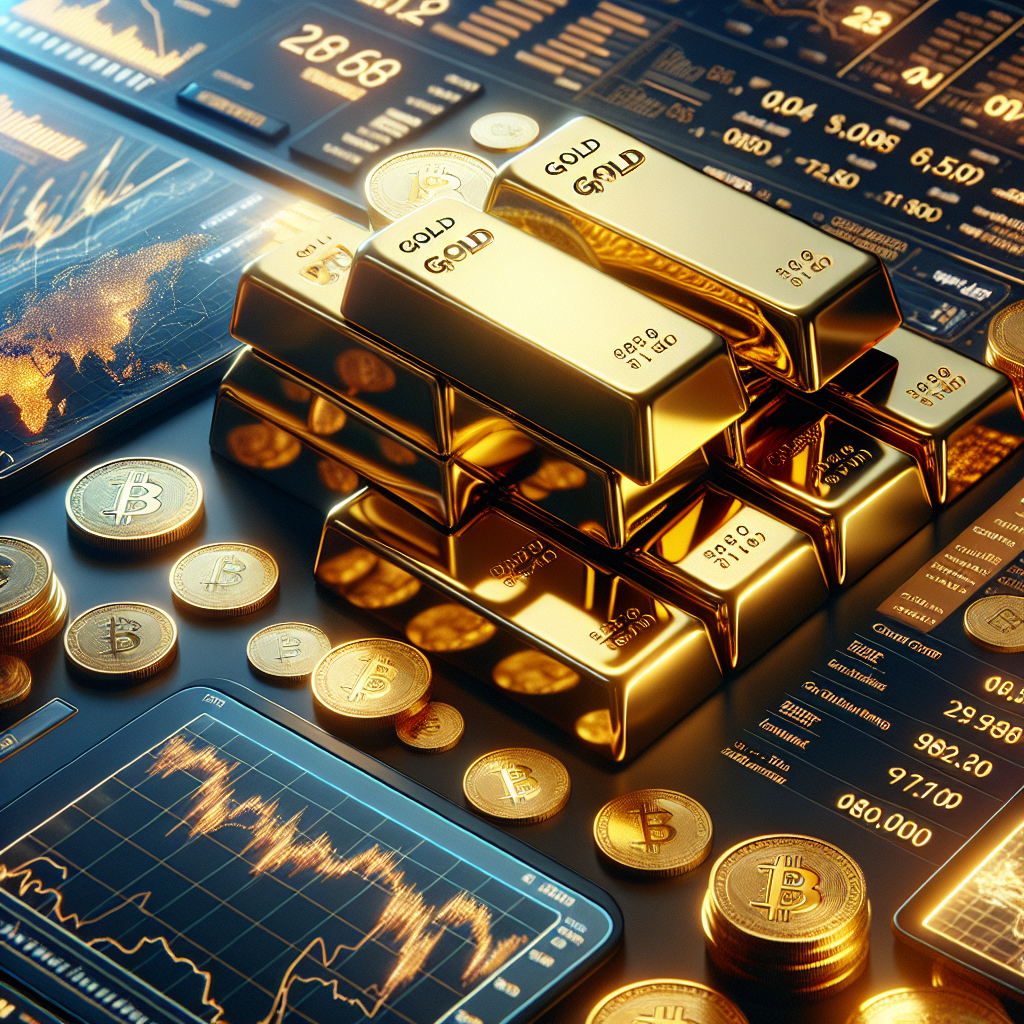
A gold exchange is essentially a marketplace where individuals and institutions engage in the buying, selling, and trading of gold. Imagine it as a bustling bazaar, but instead of colorful spices and exotic textiles, you’re surrounded by shiny bars and coins of precious metals.
Whether you’re interested in physical gold trading or digital assets, these exchanges cater to all forms of gold investment.
Types of Gold Exchanges (Physical vs. Online)
Physical gold exchanges are traditional marketplaces where you can buy or sell physical gold items such as bullion bars, coins, or jewelry. Think local coin shops or large bullion dealers, where you can walk in and inspect your potential investment up close.
In today’s digital age, many investors prefer online platforms for their convenience and ease of use. These digital gold exchange platforms allow users to trade gold from anywhere in the world with just a few clicks. They often provide features such as live gold rates and secure transactions, making trading seamless.
How They Operate
The operation of a gold exchange is much like any other market: buyers and sellers come together to negotiate prices based on current market conditions. Here’s how it generally works:
- Market Makers: These are entities that help facilitate trades by providing liquidity in the market. They buy and sell large quantities of gold, ensuring there’s always someone ready to make a deal.
- Bidding Process: Buyers place bids indicating how much they are willing to pay for specific quantities of gold. Sellers do the same by listing their asking prices.
- Transaction Confirmation: Once an agreement is reached between the buyer and seller, the transaction is confirmed through secure channels, whether online or via paperwork at a physical location.
- Clearing Houses: Many exchanges utilize clearing houses that act as intermediaries to ensure that both parties fulfill their end of the deal, much like referees ensuring fair play.
The world of gold trading can be complex, but understanding how these exchanges operate will empower you as an investor. Whether you’re looking at gold futures, spot prices, or simply trying to get the best rate today, knowing your way around these platforms will give you an edge!
2. How Does One Buy Gold Through an Exchange?
Steps to Purchase Gold
Buying gold through a gold exchange is like ordering your favorite pizza-once you know the steps, it’s a piece of cake (or pie)! Here’s how to navigate the process:
- Choose Your Exchange.
- Select Your Gold Type.
- Research Current Rates.
- Create an Account (if applicable).
- Add to Cart and Checkout.
- Payment Confirmation.
This straightforward process makes buying gold accessible to everyone, from novice investors to seasoned professionals looking to diversify their portfolios.
Payment Methods Accepted
The payment methods accepted can vary between exchanges, but generally include:
- Credit/Debit Cards.
- Bank transfers.
- Cryptocurrency.
- Cash payments.
The key here is to choose a payment method that aligns with your comfort level and transaction size. Always verify any fees associated with these methods, as they can impact your overall investment!
3. How Does One Sell Gold at an Exchange?
Process for Selling Gold
Ready to part ways with your gold? Selling gold at a gold exchange can be as smooth as butter if you follow these steps:
- Choose Your Exchange.
- Know What You Have.
- Check Current Gold Prices.
- Select a Trusted Dealer.
- Complete the Transaction.
Selling gold doesn’t have to be daunting! By understanding the process and being prepared, you’ll navigate this like a pro.
Documentation Required for Selling Gold
You might think selling gold is all about shiny objects and quick cash. Still, there’s some paperwork involved, such as ID verification, proof of purchase, descriptions of items, and TAX documentation too!
The right documentation not only simplifies the selling process but also helps maximize your returns when trading in precious metals!
Common Pitfalls to Avoid When Selling Gold
Suppose you’re thinking about jumping into the gold market. In that case, here are some common pitfalls that could trip you up, including avoiding research, selling without appraisal, panic selling, a lack of transparency with dealers, and poor security practices.
4. What Fees are Associated with Gold Exchanges?
Description of Common Fees (Transaction, Appraisal, etc.)
When diving into the world of a gold exchange, it’s essential to understand that fees can be as varied as the types of gold available. Here’s a breakdown of the most common fees you might encounter, like transaction fees, appraisal fees, storage fees, shipping costs, market spread and marketing spread.
Tips for Minimizing Costs When Using a Gold Exchange
If you’re looking to maximize your investment while minimizing costs at a gold exchange, there are some savvy strategies, such as doing your research, avoiding unnecessary appraisals, and selecting your payment methods wisely.
Navigating through various gold-selling tips, understanding fee structures is crucial! Be proactive about reducing costs so that more of your cash can go toward building your precious metal portfolio, rather than paying unnecessary charges.
5. Are Gold Exchanges Safe and Trustworthy?
Criteria for Evaluating Safety and Trustworthiness
Ensure that the exchange adheres to local laws and regulations. This includes proper licensing and registration with relevant authorities. Check online reviews, ratings, and testimonials from previous customers.
Look for exchanges that prioritize secure transactions. This includes encryption technologies, secure payment gateways, and robust data protection protocols. Trustworthy exchanges will clearly outline their fees without hidden charges. If it feels like they’re playing hide-and-seek with costs, it’s time to look elsewhere!
A responsive customer service team can be a lifesaver if issues arise. Test their availability before committing by reaching out with questions.
The Importance of Certifications and Reviews
Certifications can be your golden ticket to finding a trustworthy precious metals exchange. Look for affiliations with reputable organizations, such as the Professional Coin Grading Service (PCGS) or the American Numismatic Association (ANA). These certifications ensure that the dealer meets industry standards for quality and ethics.
What to Do If You Suspect Fraud or Scams
Immediately stop any ongoing transactions. It’s better to be safe than sorry! Document everything-emails, transaction records, screenshots, anything that could support your case.
Report fraudulent activities to local law enforcement or consumer protection agencies. They may have resources to help you navigate the situation. If you suspect fraud, refrain from sharing any more personal information until you’ve verified the legitimacy of the exchange.
Share your experience on review platforms or social media. This helps warn others about potential scams in the gold market!
6. What Types of Gold Can Be Exchanged?
Differentiating Between Types of Gold (Bullion, Jewelry, etc.)
When it comes to gold exchange, not all gold is created equal! Understanding the various types of gold available for purchase or sale is essential for making informed decisions. Here are the main categories:
- Bullion: This is the heavyweight champion of gold! Bullion refers to gold bars or coins that are valued based on their weight and purity. Typically, these are at least 99.5% pure (24 karats). Investors love bullion because it’s a straightforward way to invest in gold.
- Jewelry: Sparkly and stylish, jewelry can be a bit trickier in terms of value. The value of gold jewelry depends on its craftsmanship, brand, condition, as well as its weight and purity. Just because it’s pretty doesn’t mean it’s worth a fortune!
- Scrap Gold: This category encompasses broken jewelry, old coins, and any other unwanted gold items that can be melted down and repurposed. Scrap gold is usually sold by weight and purity, making it an easy option for those looking to cash in.
- Gold Coins: While many coins are minted for collectors, others are produced primarily for investment purposes-think American Gold Eagles or Canadian Maple Leafs. Their value often combines both numismatic (collectible) and intrinsic (metal) worth.
- Digital Gold: Entering the 21st century, digital platforms now allow you to own fractions of physical gold without holding it yourself! Digital gold represents ownership over physical bullion stored in secure vaults.
Understanding these categories helps you navigate your options better when engaging in gold trading. Whether you’re buying or selling, knowing the type of gold you have makes a significant difference.
The Impact of Purity and Weight on Value
The value of your gold isn’t just about how shiny it is; purity I weight play significant roles, too! Let’s break down why these factors matter:
- Purity: Measured in karats (K), purity indicates the percentage of pure gold present in an item compared to other metals. For instance:
Karat % Pure Gold 24K 99.9% 22K 91.7% 18K 75% 14K 58.3% - Weight: The heavier the item, the more valuable it typically is, provided its purity is also high. Gold prices fluctuate based on current market rates per ounce, so keeping an eye on gold prices today, especially during volatile markets, can help you maximize your returns.
- The Combination Effect: Both purity and weight, when combined, determine the overall value when selling your items at a precious metals exchange. A 1-ounce 24K bar will fetch more than a 1-ounce 14K ring due to its higher purity!
A little knowledge about how purity and weight influence value can empower you as an investor! Always check current market rates before making a move in the gold market.
7. How is the Value of Gold Determined in Exchanges?
The Influence of Demand and Supply on Pricing
Here are some key factors influencing this dynamic:
- Market Demand: When global events create uncertainty, such as economic downturns or geopolitical tensions, investors tend to flock to gold as a safe haven. This surge in buying can push prices higher.
- Mining Production: The amount of gold mined each year affects supply. If mining output decreases due to environmental regulations or geological challenges, it can result in higher prices.
- Central Bank Policies: Central banks hold significant reserves of gold, and their buying or selling activities can greatly impact market dynamics. For instance, if a central bank decides to increase its gold reserves, it can drive up demand.
- Global Economic Trends: Economic indicators, including inflation rates, currency strength, and interest rates, also play crucial roles. For example, when inflation rises, investors often seek gold to protect their wealth.
Understanding Appraisals and Valuations
An appraisal is like getting a report card for your gold-it tells you how much it’s worth based on various criteria! In the world of gold trading, appraisals are essential for determining the value of your items accurately before you engage in any transactions.
A thorough appraisal not only helps you understand your item’s worth but also empowers you during negotiations at any precious metals exchange. Don’t skip this step if you want the best price!
Wniosek
Na Allen Giełda Złota i Srebra, we are proud to be the trusted choice for gold exchange in Allena, McKinney, Plano, and Frisco.
Customers come to us when they seek a safe, transparent, and rewarding experience in buying, selling, or trading złoto, diamenty, and zegarki. Whether you have unwanted jewelry, coins, bullion, or gold items you no longer use, our experts provide accurate appraisals and top market value.
With professionalism and integrity at the core of our service, we make sure every customer walks away confident and satisfied.
Call us today at (469) 403-8356 or visit www.allengoldandsilverexchange.com.


 Polski
 English
 Español
 Español de Colombia
 Español de México
 简体中文
 Tagalog
 Tiếng Việt
 العربية
 Français
 한국어
 Русский
 Português do Brasil
 हिन्दी
 Deutsch