
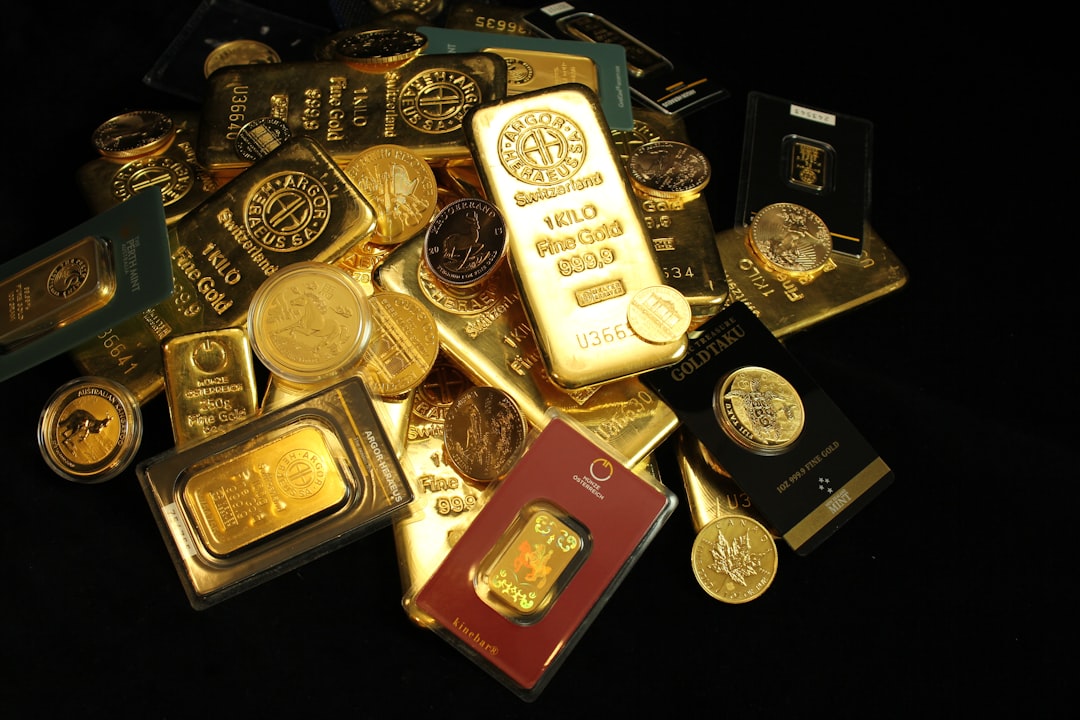
Precious metals have been valued as investment assets for centuries, offering portfolio diversification and protection against economic uncertainty. The most commonly traded precious metals are gold, silver, platinum, and palladium, each with distinct characteristics appealing to investors. Gold is often considered a safe-haven asset during economic turmoil, while silver has widespread industrial applications, making it a more versatile investment option.
Investing in precious metals can serve as a hedge against inflation and currency devaluation, as their value tends to remain stable or appreciate during periods of economic instability. This characteristic makes them attractive to investors seeking to safeguard their wealth and reduce portfolio risk. Furthermore, precious metals offer diversification benefits due to their low or negative correlations with other asset classes like stocks and bonds.
Consequently, when traditional investments underperform, precious metals may maintain their value or increase in price, potentially offsetting losses in the overall portfolio.
Key Takeaways
- Precious metals can act as a hedge against inflation and currency devaluation in a portfolio.
- Diversifying with precious metals can help reduce overall portfolio risk and increase stability.
- Gold and silver are the most popular precious metals for investment due to their historical value and liquidity.
- Dollar-cost averaging and buying physical metals are common strategies for investing in precious metals.
- Risk management is crucial in precious metals investing, and diversification across different metals and assets can help mitigate volatility.
Diversifying Your Portfolio with Precious Metals
Diversification is a key principle of investing, and adding precious metals to your portfolio can help spread risk and potentially improve overall returns. By including assets that have different risk and return profiles, investors can reduce the impact of any single investment underperforming. Precious metals have historically shown low correlation with other asset classes, making them an effective way to diversify a portfolio.
In addition to their potential diversification benefits, precious metals can also provide a store of value and act as a hedge against inflation. During periods of high inflation, the value of paper currency can erode, but the value of precious metals tends to hold steady or even increase. This can help protect the purchasing power of an investment portfolio and provide stability during uncertain economic times.
By including precious metals in a diversified portfolio, investors can potentially reduce overall risk and improve long-term returns.
Choosing the Right Precious Metals for Investment
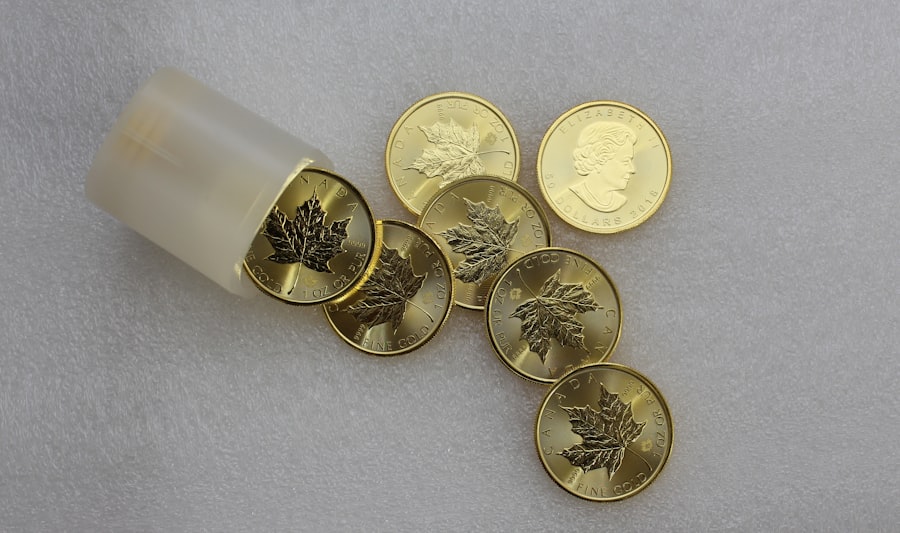
When considering investing in precious metals, it’s important to carefully evaluate the different options available and choose the right metals for your investment goals. Gold is perhaps the most well-known precious metal for investment purposes, as it has been used as a store of value for centuries and is often seen as a safe-haven asset during times of economic uncertainty. Silver is another popular option for investors, as it has both investment and industrial uses, making it a more versatile asset.
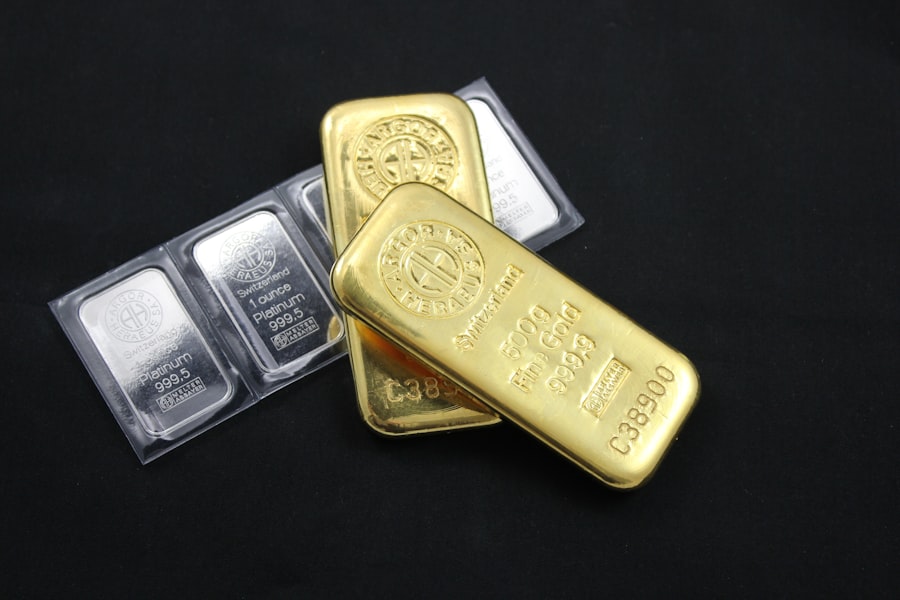
Platinum and palladium are also valuable precious metals that can be considered for investment purposes. Platinum is used in a variety of industrial applications, including in catalytic converters for vehicles, while palladium is used in electronics and automotive manufacturing. Both metals have unique properties that make them attractive to investors, and they can provide diversification benefits when included in an investment portfolio.
When choosing the right precious metals for investment, it’s important to consider factors such as liquidity, storage costs, and potential tax implications. Gold and silver are generally more liquid than platinum and palladium, meaning they can be bought and sold more easily. However, platinum and palladium may offer unique investment opportunities for investors looking to diversify their portfolios beyond the more commonly traded gold and silver.
Strategies for Investing in Precious Metals
| Investment Strategy | Advantages | Disadvantages |
|---|---|---|
| Physical Bullion | Tangible asset, hedge against inflation | Storage and security concerns |
| ETF | Liquidity, easy to trade | Management fees, counterparty risk |
| Mining Stocks | Potential for high returns | Volatility, company-specific risks |
| Futures and Options | Leverage, potential for profit in both rising and falling markets | High risk, complex instruments |
There are several different strategies that investors can use to gain exposure to precious metals in their portfolios. One common approach is to invest directly in physical metals, such as buying gold or silver bars or coins. This allows investors to own the metal outright and store it themselves or in a secure vault.
Another option is to invest in exchange-traded funds (ETFs) that track the price of precious metals. These funds provide a convenient way to gain exposure to metals without having to take physical possession of them. Another strategy for investing in precious metals is to buy shares of mining companies that produce the metals.
This allows investors to gain exposure to the potential upside of metal prices while also benefiting from the operational performance of the mining companies. However, investing in mining stocks comes with its own set of risks, including operational and geopolitical factors that can impact the companies’ profitability. For investors looking for more active management of their precious metals investments, trading futures contracts or options on precious metals can provide opportunities to profit from short-term price movements.
However, these strategies also come with higher levels of risk and require a deep understanding of the commodities markets.
Managing Risks and Volatility in Precious Metals Investing
Like any investment, precious metals come with their own set of risks and potential volatility. The prices of precious metals can be influenced by a wide range of factors, including economic data, geopolitical events, and changes in investor sentiment. This can lead to significant price fluctuations in the short term, making it important for investors to carefully manage risk when investing in precious metals.
One way to manage risk when investing in precious metals is to carefully consider the role that these assets play in a diversified portfolio. While precious metals can provide diversification benefits and act as a hedge against inflation, they should not make up the entirety of an investment portfolio. By allocating a portion of a portfolio to precious metals, investors can potentially reduce overall risk while still benefiting from the potential upside of these assets.
Another way to manage risk when investing in precious metals is to carefully consider the timing of purchases and sales. Like any asset, the prices of precious metals can fluctuate over time, so it’s important for investors to have a long-term perspective and avoid making knee-jerk reactions based on short-term price movements. By taking a disciplined approach to investing in precious metals and focusing on long-term trends rather than short-term fluctuations, investors can potentially reduce the impact of volatility on their portfolios.
Incorporating Precious Metals into a Retirement Portfolio
For many investors, retirement planning is a key consideration when making investment decisions. Precious metals can play a valuable role in a retirement portfolio by providing diversification benefits and acting as a hedge against inflation. Including assets that have low correlation with traditional stocks and bonds can help reduce overall portfolio risk and potentially improve long-term returns.
One way to incorporate precious metals into a retirement portfolio is through self-directed individual retirement accounts (IRAs). These accounts allow investors to hold physical gold, silver, platinum, and palladium as part of their retirement savings. By holding precious metals within an IRA, investors can potentially benefit from tax advantages while also gaining exposure to the potential upside of these assets.
Another option for incorporating precious metals into a retirement portfolio is through investing in ETFs that track the price of precious metals. These funds provide a convenient way to gain exposure to metals without having to take physical possession of them, making them an attractive option for retirement investors looking for convenience and liquidity.
Staying Informed and Adapting to Market Trends in Precious Metals Investing
The precious metals market is constantly evolving, with prices being influenced by a wide range of factors including economic data, geopolitical events, and changes in investor sentiment. As such, it’s important for investors to stay informed about market trends and adapt their investment strategies accordingly. One way for investors to stay informed about market trends in precious metals investing is by following reputable financial news sources and staying up-to-date on economic data releases that could impact metal prices.
Additionally, keeping an eye on geopolitical events such as trade tensions or political instability can provide valuable insights into potential price movements. Adapting to market trends in precious metals investing may also involve adjusting investment strategies based on changing market conditions. For example, if economic data suggests increasing inflationary pressures, investors may consider increasing their exposure to gold or other inflation-hedging assets.
Similarly, if geopolitical tensions are escalating, investors may consider increasing their exposure to safe-haven assets such as gold. In conclusion, investing in precious metals can provide valuable diversification benefits and act as a hedge against inflation and economic uncertainty. By carefully considering the role of precious metals in a diversified portfolio, choosing the right metals for investment, implementing effective investment strategies, managing risks and volatility, incorporating precious metals into retirement portfolios, and staying informed about market trends, investors can potentially benefit from the unique properties of these valuable assets.
If you’re considering diversifying your investment portfolio by adding precious metals, you might also be interested in exploring other valuable assets like gold. A related article that could provide you with useful insights is “Discovering Hidden Treasures: Finding Gold Near Me.” This article offers practical advice on how to locate and evaluate gold investments, which could complement your strategy of investing in precious metals. You can read more about it by visiting Discovering Hidden Treasures: Finding Gold Near Me. This could be a valuable resource for expanding your knowledge and potentially enhancing the returns on your investments.


 한국어
 English
 Español
 Español de Colombia
 Español de México
 简体中文
 Tagalog
 Tiếng Việt
 العربية
 Français
 Русский
 Português do Brasil
 हिन्दी
 Deutsch
 Polski