

Antique jewelry holds a unique charm and allure that captivates collectors and enthusiasts alike. The value of such pieces is not merely determined by their age but also by a myriad of factors including craftsmanship, historical significance, and the materials used. Antique jewelry, typically defined as items that are at least 100 years old, often tells a story of the era it represents, making it not just an accessory but a piece of history.
Understanding the value of antique jewelry requires a keen eye for detail and an appreciation for the artistry involved in its creation. The intrinsic value of antique jewelry can be influenced by its provenance, or history of ownership. Pieces that have belonged to notable figures or have been part of significant historical events often command higher prices.
Additionally, the condition of the jewelry plays a crucial role in its valuation. Well-preserved items with minimal wear and tear are more desirable than those that show signs of damage or extensive repairs. As you delve into the world of antique jewelry, it becomes clear that each piece is a unique blend of artistry, history, and craftsmanship, making it essential to understand these elements when assessing value.
Key Takeaways
- Antique jewelry holds both sentimental and monetary value
- A reputable appraiser can provide an accurate valuation of antique jewelry
- Authenticity is crucial in determining the value of antique jewelry
- During an appraisal, expect a thorough examination and documentation of the jewelry
- Factors such as rarity, condition, and historical significance affect the value of antique jewelry
- Maximize your appraisal by providing any relevant documentation and history of the jewelry
- Proper care and maintenance can preserve the value of antique jewelry
- Make informed decisions by understanding the market and seeking expert advice
Finding a Reputable Appraiser
When it comes to valuing antique jewelry, finding a reputable appraiser is paramount. A qualified appraiser possesses the expertise and knowledge necessary to accurately assess the worth of your pieces. Look for professionals who are certified by recognized organizations such as the American Society of Appraisers or the International Society of Appraisers.
These credentials ensure that the appraiser adheres to industry standards and ethical practices, providing you with a reliable valuation. In addition to credentials, consider the appraiser’s experience and specialization. Some appraisers may focus on specific types of jewelry or periods, so it’s beneficial to find someone who has a deep understanding of antique pieces.
Reading reviews and testimonials from previous clients can also provide insight into an appraiser’s reputation. By taking the time to research and select a reputable appraiser, you can ensure that you receive an accurate and fair assessment of your antique jewelry.
The Importance of Authenticity

Authenticity is a critical factor in determining the value of antique jewelry. In a market where reproductions and fakes can easily be mistaken for genuine articles, verifying authenticity is essential for both collectors and sellers. Authentic pieces often come with documentation or certificates that trace their history and confirm their origin.
When seeking an appraisal, it is crucial to provide any available documentation to support the authenticity of your jewelry. Moreover, understanding the characteristics that distinguish genuine antique jewelry from replicas can empower you as a collector or seller. Factors such as hallmarks, craftsmanship techniques, and materials used can all serve as indicators of authenticity.
Engaging with knowledgeable appraisers who can identify these features will not only enhance your understanding but also protect your investment in the long run.
What to Expect During an Appraisal
| Aspect | Expectation |
|---|---|
| Preparation | Prepare by reviewing your goals and accomplishments |
| Feedback | Expect to receive feedback on your performance |
| Discussion | There will be a discussion about your strengths and areas for improvement |
| Goal Setting | Setting new goals for the upcoming period |
| Documentation | Documentation of the appraisal discussion and outcomes |
When you schedule an appraisal for your antique jewelry, it’s important to know what to expect during the process. Typically, the appraiser will begin by examining your pieces closely, assessing their condition, craftsmanship, and any distinguishing features. This examination may involve using tools such as magnifying glasses or microscopes to inspect intricate details that could affect value.
Following the examination, the appraiser will provide you with a detailed report outlining their findings. This report will include information about the jewelry’s age, materials, craftsmanship, and estimated market value. It’s essential to ask questions during this process to gain a better understanding of how the appraisal was conducted and what factors influenced the final valuation.
By being engaged in the appraisal process, you can ensure that you leave with valuable insights about your antique jewelry.
Factors That Affect the Value of Antique Jewelry
Several factors contribute to the overall value of antique jewelry, making it essential for collectors and sellers to be aware of these elements. One significant factor is the rarity of the piece; items that are one-of-a-kind or produced in limited quantities tend to be more valuable than mass-produced pieces. Additionally, the style and design trends of specific eras can influence desirability; for instance, Art Deco pieces are highly sought after due to their distinctive geometric designs.
Another critical aspect is the quality of materials used in the jewelry’s construction. High-quality gemstones, precious metals like gold or platinum, and intricate craftsmanship can significantly enhance a piece’s value. Furthermore, market demand plays a vital role; trends in fashion and collecting can shift over time, affecting how much buyers are willing to pay for certain styles or periods.
By understanding these factors, you can make informed decisions regarding your antique jewelry collection.
Getting the Most Out of Your Appraisal
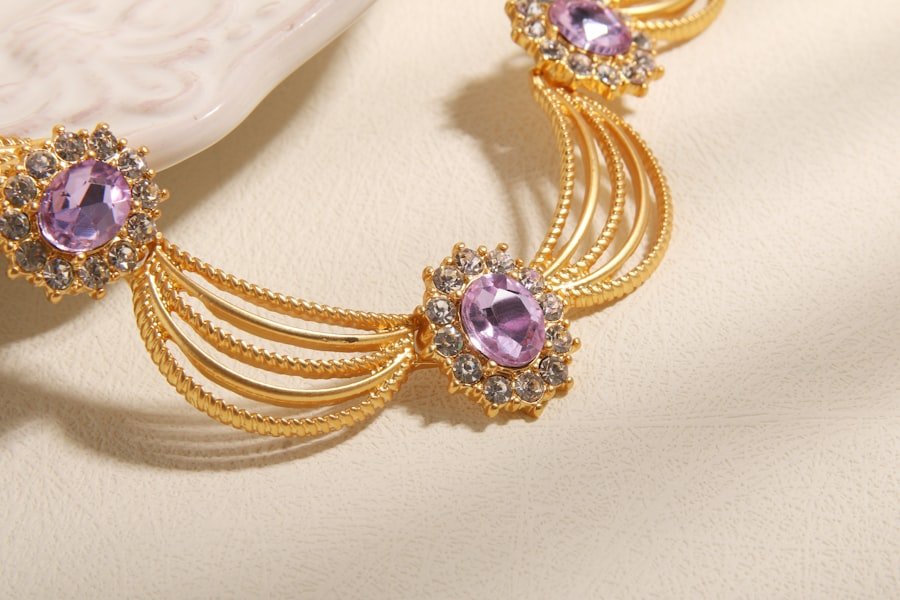
To maximize the benefits of your appraisal experience, preparation is key. Before your appointment, gather any relevant documentation such as purchase receipts, previous appraisals, or certificates of authenticity. This information can provide valuable context for the appraiser and help them arrive at a more accurate valuation.
During the appraisal itself, be open and communicative with the appraiser. Share any history you have about the piece, including where it was acquired and any stories associated with it. This background information can enrich the appraisal process and may even uncover additional value based on its provenance.
After receiving your appraisal report, consider discussing potential next steps with your appraiser—whether that involves selling your piece, insuring it, or simply adding it to your collection.
Tips for Caring for Antique Jewelry
Caring for antique jewelry requires special attention to preserve its beauty and integrity over time. First and foremost, store your pieces in a cool, dry place away from direct sunlight to prevent fading or damage.
Regular cleaning is also essential but should be approached with caution. Avoid harsh chemicals or abrasive materials that could harm delicate settings or gemstones. Instead, use a soft cloth to gently wipe down your jewelry after wearing it and consider professional cleaning for more intricate pieces.
By taking these simple steps to care for your antique jewelry, you can ensure that it remains in excellent condition for years to come.
Making Informed Decisions About Your Antique Jewelry
As you navigate the world of antique jewelry, making informed decisions is crucial for both collectors and sellers alike. Whether you’re considering selling a piece or adding to your collection, knowledge is power. Stay informed about market trends by following reputable sources and engaging with fellow collectors through forums or social media groups.
When it comes time to sell your antique jewelry, consider obtaining multiple appraisals to ensure you’re receiving a fair offer. Additionally, explore various selling avenues—such as auctions, online marketplaces, or consignment shops—to find the best fit for your needs. By arming yourself with knowledge and resources, you can confidently make decisions that align with your goals in the world of antique jewelry.
In conclusion, understanding antique jewelry involves appreciating its historical significance and recognizing its value through careful appraisal and maintenance. At Allen Gold and Silver Exchange, we pride ourselves on our expertise in buying, selling, and trading jewelry, diamonds, and gold. Our commitment to professionalism ensures that you receive top-quality service every step of the way.
If you’re ready to explore your options or have questions about your antique pieces, don’t hesitate to call us at (469) 403-8356 or visit our Google Maps listing to see our 5-star reviews. Let us help you navigate this fascinating world with confidence!
If you are looking for the best place to appraise antique jewelry, you may want to check out this article on predicting jewelry evaluation trends for 2024. The article discusses the future of jewelry appraisal and how it is shaping the industry. To learn more about the latest trends and techniques in appraising antique jewelry, visit here.
FAQ
What is antique jewelry?
Antique jewelry refers to pieces of jewelry that are at least 100 years old. These pieces are often valued for their historical significance, craftsmanship, and rarity.
Why is it important to have antique jewelry appraised?
Having antique jewelry appraised is important for several reasons. It can help determine the value of the piece for insurance purposes, estate planning, or if you are looking to sell the item. Additionally, an appraisal can provide valuable information about the history and provenance of the jewelry.
What factors are considered when appraising antique jewelry?
When appraising antique jewelry, factors such as the age, condition, materials, craftsmanship, and provenance of the piece are taken into consideration. The expertise of the appraiser and current market trends also play a role in determining the value of the jewelry.
Where is the best place to appraise antique jewelry?
The best place to appraise antique jewelry is with a reputable and certified appraiser who specializes in antique and estate jewelry. Look for appraisers who have credentials from organizations such as the Gemological Institute of America (GIA) or the American Society of Appraisers (ASA). It’s important to choose an appraiser with a solid reputation and experience in appraising antique jewelry.



 Français
 English
 Español
 Español de Colombia
 Español de México
 简体中文
 Tagalog
 Tiếng Việt
 العربية
 한국어
 Русский
 Português do Brasil
 हिन्दी
 Deutsch
 Polski