

Gold and silver have held a prominent place in human history, serving not only as currency but also as symbols of wealth, power, and prestige. The use of these precious metals dates back thousands of years, with evidence suggesting that gold was first mined in the Balkans around 4,000 BAncient civilizations, such as the Egyptians and Mesopotamians, recognized the value of gold and silver, using them to craft intricate jewelry, ceremonial artifacts, and even as a medium of exchange. The Egyptians, for instance, adorned their tombs with gold items, believing that these treasures would accompany them into the afterlife.
This practice underscored the cultural significance of gold, which was often associated with the divine and the eternal. Silver, on the other hand, has also played a crucial role in various societies. The first known coins made from silver were minted in Lydia (modern-day Turkey) around 600 BThis innovation marked a significant shift in trade and commerce, as it provided a standardized medium of exchange that facilitated economic transactions.
Throughout history, both metals have been used to back currencies, with governments often hoarding them to instill confidence in their monetary systems. The Gold Standard, which dominated global finance from the 19th century until the early 20th century, exemplifies this trend. Under this system, currencies were directly linked to gold reserves, ensuring that governments could not print money indiscriminately without corresponding gold backing.
Key Takeaways
- Gold and silver have been historically significant as forms of currency and symbols of wealth and power.
- Gold and silver are considered safe haven assets, often sought after in times of economic and geopolitical uncertainty.
- Both gold and silver are commonly used as a hedge against inflation, as their value tends to increase when the purchasing power of fiat currencies decreases.
- The allure of gold and silver in jewelry and fashion has been enduring, with both metals being prized for their beauty and rarity.
- Gold and silver have numerous industrial and technological uses, from electronics to medical devices, making them valuable commodities in various industries.
The Role of Gold and Silver as Safe Haven Assets
In times of economic uncertainty or geopolitical turmoil, investors often turn to gold and silver as safe haven assets. These metals have a long-standing reputation for retaining value when other investments falter. For instance, during the 2008 financial crisis, gold prices surged as investors sought refuge from plummeting stock markets and declining real estate values.
The allure of gold lies in its intrinsic value; unlike fiat currencies that can be printed at will by governments, gold is finite and cannot be manufactured. This scarcity contributes to its status as a reliable store of value. Silver also shares this characteristic but is often viewed through a different lens.
While it is less expensive than gold, silver has historically been more volatile due to its dual role as both an investment asset and an industrial metal. During periods of economic distress, silver can experience significant price fluctuations as demand shifts between its investment appeal and its industrial applications. Nevertheless, both metals are seen as hedges against systemic risks, including inflation, currency devaluation, and political instability.
Investors often diversify their portfolios by allocating a portion to these precious metals to mitigate potential losses during turbulent times.
الذهب والفضة كتحوط ضد التضخم
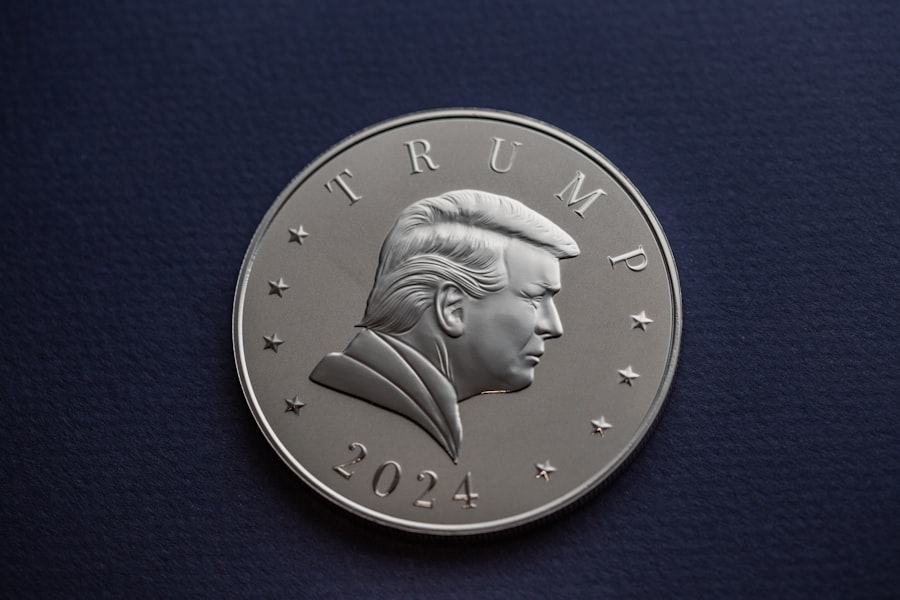
Inflation erodes purchasing power over time, making it essential for investors to seek assets that can preserve value in such environments. Gold and silver have historically served as effective hedges against inflation due to their ability to maintain value when fiat currencies lose purchasing power. For example, during the 1970s, the United States experienced significant inflation driven by oil crises and economic instability.
As consumer prices soared, gold prices skyrocketed from around $35 per ounce in 1971 to over $800 per ounce by 1980. This dramatic increase illustrated how gold can act as a safeguard against inflationary pressures. Silver has also demonstrated its inflation-hedging capabilities, albeit with more volatility.
In periods of high inflation, silver prices tend to rise as investors flock to tangible assets that can retain value. The late 1970s saw silver prices soar alongside gold, reaching nearly $50 per ounce in early 1980. However, unlike gold, silver’s price movements can be influenced by industrial demand, which can complicate its role as an inflation hedge.
Nevertheless, both metals are often included in investment strategies aimed at protecting wealth from the corrosive effects of inflation.
The Allure of Gold and Silver in Jewelry and Fashion
| Category | ذهب | فضة |
|---|---|---|
| لون | Yellow | White |
| Hardness | 2.5-3 on Mohs scale | 2.5-3 on Mohs scale |
| Uses | Jewelry, coins, electronics | Jewelry, coins, tableware |
| Price | High | Lower than gold |
| Tarnish | No | Yes |
Beyond their financial attributes, gold and silver have captivated human imagination through their aesthetic appeal and cultural significance in jewelry and fashion. Gold has been revered for its lustrous yellow hue and malleability, allowing artisans to create intricate designs that have adorned royalty and commoners alike throughout history. From ancient Egyptian pharaohs to modern-day celebrities, gold jewelry has symbolized status and wealth across cultures.
The craftsmanship involved in creating gold pieces often reflects the artistic heritage of a society, making these items not just adornments but also historical artifacts. Silver holds a similar allure but is often associated with elegance and sophistication at a more accessible price point. Its bright sheen complements various styles and is frequently used in both traditional and contemporary jewelry designs.
Silver’s versatility allows it to be crafted into everything from delicate chains to bold statement pieces. Additionally, silver has cultural significance in many societies; for example, it is often used in wedding rings and other ceremonial jewelry in various cultures around the world. The emotional connections people have with these metals are profound, as they are often passed down through generations as heirlooms imbued with personal stories.
The Industrial and Technological Uses of Gold and Silver
While gold and silver are primarily known for their roles in finance and jewelry, they also possess unique industrial applications that contribute to their ongoing demand. Gold’s exceptional conductivity makes it invaluable in electronics; it is used in connectors, switches, and other components where reliability is paramount. The aerospace industry also utilizes gold for its reflective properties in satellite technology and spacecraft insulation.
Furthermore, gold’s resistance to corrosion ensures longevity in critical applications where failure is not an option. Silver’s industrial uses are even more diverse due to its unique properties. It is widely employed in photovoltaic cells for solar panels, where its conductivity enhances energy conversion efficiency.
Additionally, silver’s antibacterial properties make it a popular choice in medical applications; it is used in wound dressings and coatings for medical devices to prevent infections. The growing demand for renewable energy technologies has further bolstered silver’s industrial relevance, positioning it as a key player in the transition toward sustainable energy solutions.
The Investment Potential of Gold and Silver in Times of Crisis
The investment potential of gold and silver becomes particularly pronounced during times of crisis when traditional assets may falter. Historical data shows that during periods of economic downturns or geopolitical tensions, both metals tend to appreciate significantly as investors seek refuge from market volatility. For instance, during the COVID-19 pandemic in 2020, gold prices reached record highs as central banks implemented unprecedented monetary policies to stabilize economies.
Investors flocked to gold as a hedge against uncertainty surrounding the pandemic’s economic impact. Silver also experienced a resurgence during this period but with greater volatility due to its dual role as an industrial metal. As economies began to recover and demand for industrial applications surged alongside stimulus measures, silver prices rallied significantly.
This dynamic illustrates how both metals can serve as effective investment vehicles during crises but may respond differently based on market conditions and investor sentiment.
The Psychological Impact of Gold and Silver in Uncertain Times
The psychological impact of gold and silver cannot be understated during uncertain times; they evoke feelings of security and stability that resonate deeply with investors. The historical narrative surrounding these metals contributes to their perceived value as safe havens. When faced with economic turmoil or geopolitical unrest, individuals often revert to tangible assets that have stood the test of time.
This instinctual behavior is rooted in centuries of cultural significance attached to gold and silver. Moreover, the media plays a crucial role in shaping public perception regarding these metals during crises. News reports highlighting rising gold prices or increased demand for silver can create a sense of urgency among investors who fear missing out on potential gains or protection against losses.
This psychological aspect can lead to increased buying pressure during uncertain times, further driving up prices and reinforcing the metals’ status as safe havens.
The Future Outlook for Gold and Silver in the Global Economy
Looking ahead, the future outlook for gold and silver remains intertwined with global economic trends and geopolitical developments. As central banks continue to navigate complex monetary policies amid rising inflationary pressures and potential recessions, both metals are likely to retain their appeal as safe haven assets. Analysts predict that ongoing economic uncertainties will sustain demand for gold and silver as investors seek ways to protect their wealth.
Additionally, the growing emphasis on sustainability may enhance silver’s industrial demand due to its critical role in renewable energy technologies like solar panels and electric vehicles. As countries strive to meet climate goals, silver’s applications could expand further, potentially driving up its value over time. Meanwhile, gold will likely continue to serve as a hedge against currency devaluation and systemic risks within financial markets.
In conclusion, while the future remains uncertain, the historical significance of gold and silver combined with their multifaceted roles in finance, industry, jewelry, and technology suggests that they will continue to be integral components of the global economy for years to come.
For those interested in further exploring the enduring value of precious metals, particularly in the context of personal investments and adornments, the article “Crafting Memories: Personalized Jewelry Design for Your Beloved in Allen, Texas” offers a compelling read. This piece delves into how gold and silver are not only safe havens during economic crises but also cherished elements in the creation of meaningful, personalized jewelry. To discover more about how these metals play a role in both financial security and personal expression, you can read the full article here.



 العربية
 English
 Español
 Español de Colombia
 Español de México
 简体中文
 Tagalog
 Tiếng Việt
 Français
 한국어
 Русский
 Português do Brasil
 हिन्दी
 Deutsch
 Polski