

When it comes to determining the value of your gold jewelry, several factors come into play that can significantly influence its worth. The first step in this assessment is to consider the purity of the gold, which is measured in karats. Pure gold is 24 karats, but most jewelry is made from gold alloys, which contain other metals to enhance durability and appearance.
For instance, 18-karat gold consists of 75% gold and 25% other metals, while 14-karat gold contains 58.3% gold. Understanding the karat weight of your pieces is crucial, as it directly affects the intrinsic value of the jewelry. Additionally, the weight of the gold in grams or ounces will also play a significant role in determining its overall value.
Beyond the purity and weight, the craftsmanship and design of the jewelry can add to its value. Handcrafted pieces or those created by renowned designers often command higher prices due to their uniqueness and artistry. Furthermore, any gemstones or intricate details can enhance the overall worth of the piece.
It’s essential to take into account not just the material value but also the aesthetic appeal and craftsmanship involved in creating the jewelry. By evaluating these aspects thoroughly, you can arrive at a more accurate assessment of your gold jewelry’s value, setting a solid foundation for any future selling decisions.
Key Takeaways
- Assess the value of your gold jewelry by determining its purity and weight
- Understand the current market value by researching the price of gold and current trends
- Consider the emotional attachment to the jewelry and how it may impact your decision to sell
- Explore different selling options such as pawn shops, jewelry stores, or online platforms
- Research reputable buyers to ensure a fair and trustworthy transaction
Understanding the Current Market Value
Understanding Gold Market Fluctuations
The market value of gold is influenced by various economic factors, including supply and demand dynamics, geopolitical events, and changes in currency values. To accurately gauge the current market value of your gold jewelry, it is essential to stay informed about the latest trends in gold prices. This information can be obtained from financial news outlets, commodity exchanges, or online platforms that track precious metal prices in real-time.
Determining the Best Time to Sell
Understanding these fluctuations will help you determine the best time to sell your jewelry for maximum profit. In addition to tracking gold prices, it is also beneficial to consider how the market perceives different types of gold jewelry. For example, vintage or antique pieces may have a higher demand among collectors, while contemporary designs might appeal more to fashion-conscious buyers.
Factors Affecting Jewelry Value
The condition of your jewelry also plays a significant role; well-maintained pieces are likely to fetch a better price than those showing signs of wear and tear. By combining knowledge of current market trends with an understanding of your specific jewelry’s characteristics, you can make informed decisions about its potential selling price.
Considering the Emotional Attachment
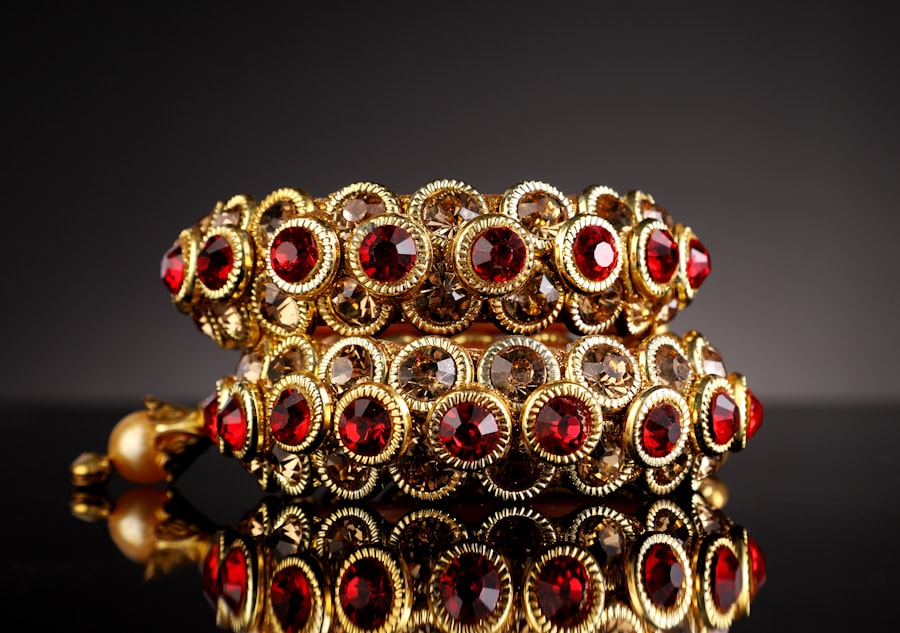
While assessing the monetary value of your gold jewelry is important, it is equally vital to acknowledge any emotional attachment you may have to these pieces. Jewelry often carries sentimental significance, representing milestones such as engagements, anniversaries, or cherished memories with loved ones. This emotional connection can make it challenging to part with certain items, even if they hold substantial financial value.
Before deciding to sell, take time to reflect on what these pieces mean to you and whether their sentimental worth outweighs their market value. Moreover, it’s worth considering whether there are alternative ways to honor these memories without necessarily selling the jewelry. For instance, you might choose to repurpose a piece into a new design that reflects your current style while preserving its emotional significance.
Alternatively, you could pass down heirloom jewelry to family members as a way to keep those memories alive within your family lineage. By weighing both emotional and financial factors carefully, you can arrive at a decision that respects your feelings while also considering practical financial implications.
Exploring Different Selling Options
| Selling Option | Plusy | Cons |
|---|---|---|
| Online Marketplace | Wide reach, easy setup | High competition, fees |
| Retail Store | Face-to-face interaction, immediate payment | High overhead costs, limited reach |
| Wholesale | Large volume sales, steady income | Lower profit margins, strict requirements |
Once you have assessed the value of your gold jewelry and considered your emotional attachment, it’s time to explore various selling options available to you. One common route is selling directly to a jeweler or a pawn shop, where you can receive immediate cash for your items. However, this option may not always yield the best price since these businesses often offer lower rates to ensure their profit margins.
Alternatively, online marketplaces have gained popularity for selling jewelry, allowing you to reach a broader audience and potentially secure a higher price. Websites like eBay or specialized jewelry selling platforms provide an avenue for individuals looking to sell their pieces directly to consumers. Another option worth considering is consignment sales through local boutiques or jewelry stores that specialize in pre-owned items.
This method allows you to retain ownership of your jewelry until it sells while benefiting from the store’s marketing efforts and customer base. However, keep in mind that consignment shops typically take a percentage of the sale price as their commission. Each selling option has its pros and cons; therefore, it’s essential to evaluate which method aligns best with your goals and circumstances before proceeding.
Researching Reputable Buyers
Finding reputable buyers is crucial when selling your gold jewelry to ensure you receive a fair price and a smooth transaction process. Start by conducting thorough research on potential buyers in your area or online. Look for established businesses with positive customer reviews and ratings on platforms like Yelp or Google Reviews.
Additionally, check if they are members of professional organizations such as the Better Business Bureau (BBB) or industry-specific associations that uphold ethical standards in buying and selling precious metals. It’s also wise to seek recommendations from friends or family who have previously sold jewelry or have experience with specific buyers. Personal referrals can provide valuable insights into the buyer’s reputation and reliability.
Once you have identified potential buyers, consider visiting them in person if possible; this allows you to gauge their professionalism and expertise firsthand. Engaging with multiple buyers can also give you a better sense of the market landscape and help you make an informed decision about where to sell your gold jewelry.
Negotiating a Fair Price
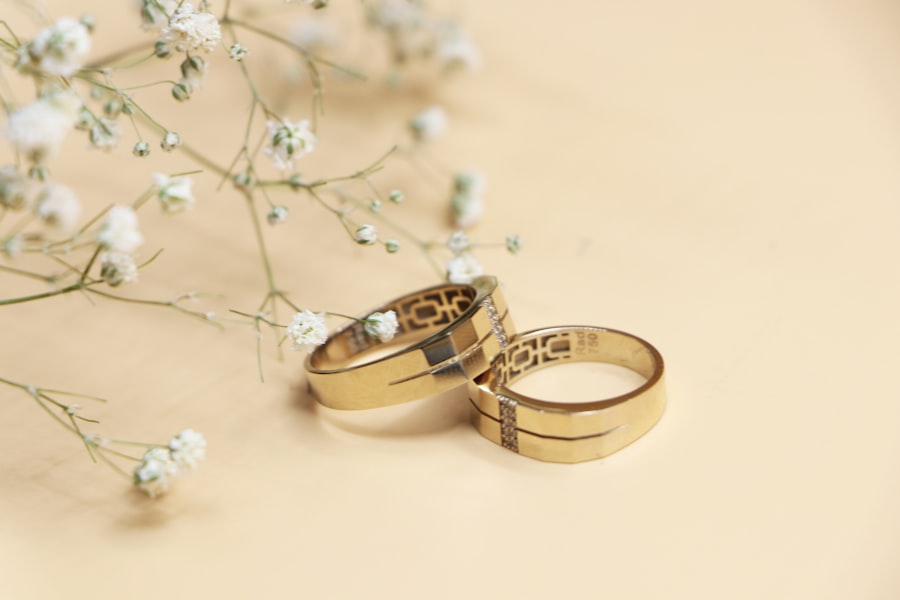
Negotiating a fair price for your gold jewelry is an essential step in the selling process that requires preparation and confidence. Before entering negotiations, arm yourself with knowledge about the current market value of gold and the specific characteristics of your jewelry piece. Having this information at hand will empower you during discussions and help you advocate for a price that reflects its true worth.
Be prepared to present any documentation that supports your claims regarding purity, weight, and craftsmanship; this could include appraisals or receipts from previous purchases. During negotiations, it’s important to remain calm and composed while being open to dialogue with potential buyers. Start by stating your desired price based on your research but be willing to listen to their counteroffers as well.
A successful negotiation often involves compromise; therefore, having a minimum acceptable price in mind will help guide your discussions without leading you into an unfavorable deal. Remember that negotiation is not just about getting the highest price but also about ensuring that both parties feel satisfied with the outcome.
Understanding the Selling Process
Understanding the selling process is vital for ensuring a smooth transaction when parting with your gold jewelry. Once you have agreed on a price with a buyer, familiarize yourself with any necessary paperwork or documentation required for the sale. This may include providing identification for verification purposes or signing contracts that outline the terms of the sale.
If you are selling through an online platform or consignment shop, be sure to read their policies regarding shipping, returns, and payment timelines carefully. Additionally, consider how payment will be handled once the sale is finalized. Some buyers may offer cash on the spot, while others might provide checks or electronic transfers.
Ensure that you feel comfortable with the payment method chosen and verify that it aligns with your preferences for security and convenience. By understanding each step of the selling process thoroughly, you can minimize potential complications and ensure that your experience is as seamless as possible.
Making the Final Decision
After carefully assessing all aspects related to selling your gold jewelry—its value, emotional significance, market conditions, potential buyers, negotiation strategies, and understanding of the selling process—you are now at a critical juncture: making the final decision. This moment requires introspection; weigh all factors against each other and consider what feels right for you at this time in your life. If parting with certain pieces brings closure or financial relief that outweighs their sentimental value, then selling may be the best course of action.
Conversely, if you find that emotional ties are too strong or if market conditions do not favor a sale at this moment, it may be wise to hold onto your jewelry for now. Remember that decisions regarding personal belongings should ultimately align with your values and circumstances; there is no one-size-fits-all answer when it comes to selling cherished items like gold jewelry. Trust your instincts and take pride in whatever choice you make—whether it’s selling for profit or keeping treasured memories close at hand—as both paths hold their own unique significance in your life journey.
If you’re considering the pros and cons of selling your gold jewelry, you might also find it useful to explore the complexities of buying jewelry, which can sometimes be intimidating and frustrating. For a deeper understanding of these challenges and to gain tips on navigating the jewelry purchasing process, you can read a related article that discusses these issues in detail. To learn more, click on this link: Buying Jewelry Can Be Scary and Frustrating at Times. This article provides valuable insights that could help you make more informed decisions whether you are buying or selling jewelry.

 Polski
 English
 Español
 Español de Colombia
 Español de México
 简体中文
 Tagalog
 Tiếng Việt
 العربية
 Français
 한국어
 Русский
 Português do Brasil
 हिन्दी
 Deutsch